
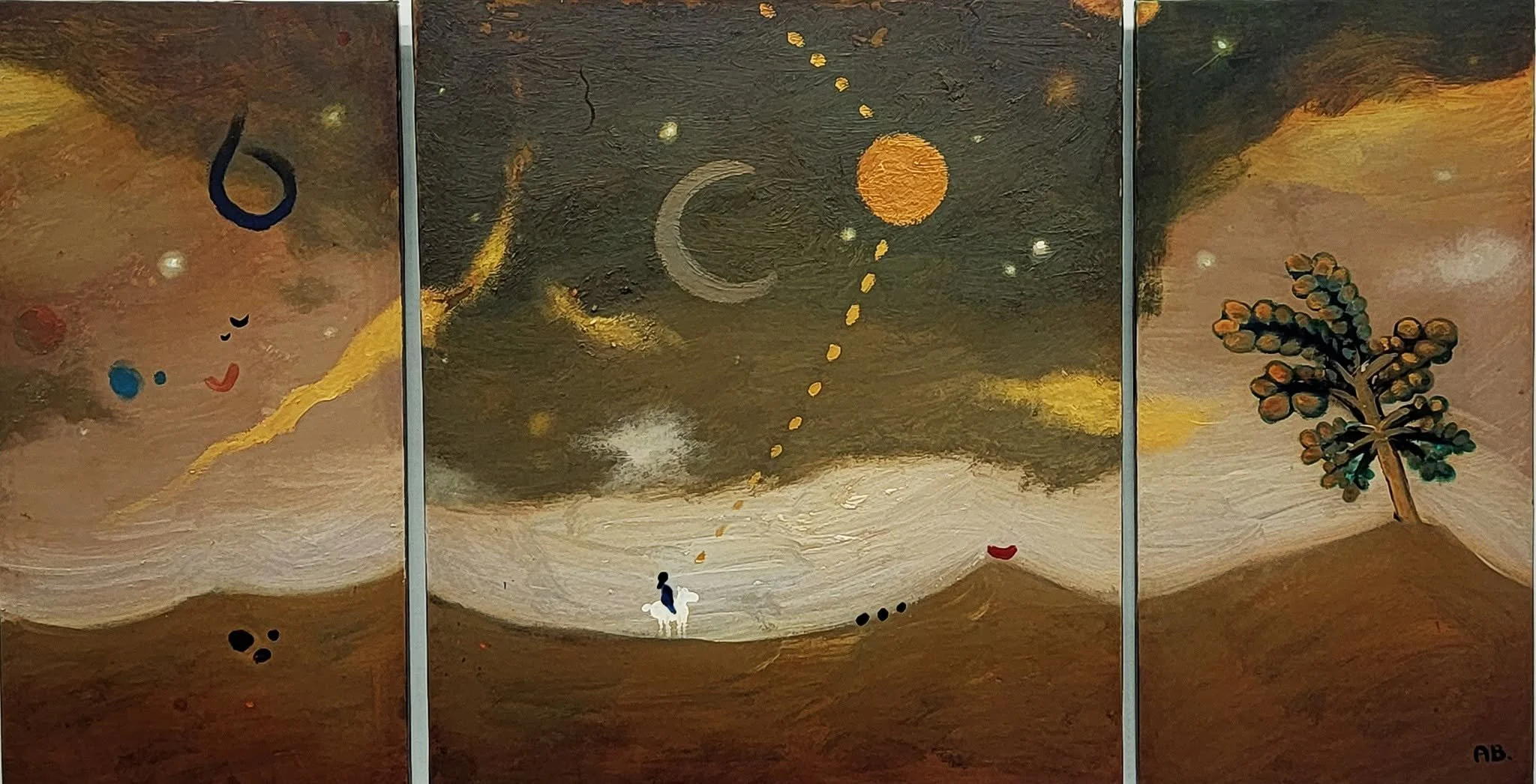
An interview in Russian conducted by Margaret Aslanian, discussing art and philosophy. (English translation available)
Когда мир беднеет наружно, это есть выражение внутреннего
Маргарет Асланян - Душевный Разговор - обновление: 19.05.2020:
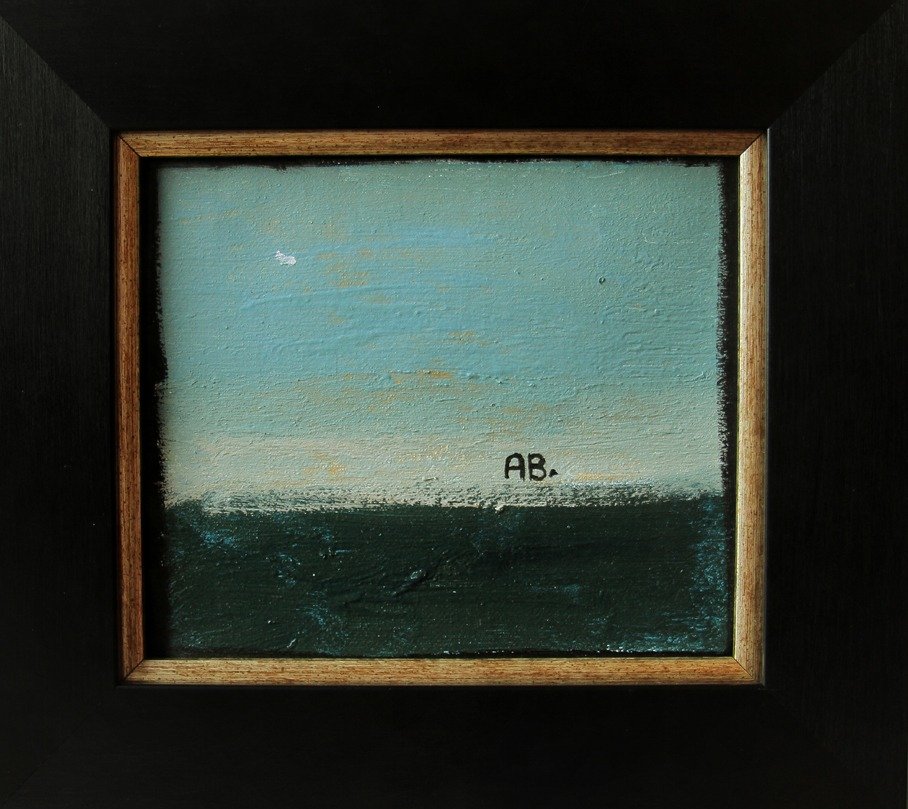
Меня зовут Антон Баланчивадзе…
Меня зовут Антон Баланчивадзе. Я художник.
На пути к свету человек понимает, что свет есть жертва солнца. За счёт ее великой жертвы развивается мир.
Роль каждого, отдельного, конкретного человека немыслимо велика. Нельзя мыслить родину, миссию народа, справедливость и. т. д. без конкретных людей, конкретных знакомых, конкретных переживаний связанных с ними. Встреча каждого человека с другим есть заново возникший, новый мир... чем запоминающимся, душевным, значимым, важным является встреча, тем истиннее и величественнее то, что возникает, тем правдивее познаем мы реальность, тем ценней становится жизнь. А статистика есть абстракция.
Добиться процветания и подъема разных сфер жизни нельзя посредством абстрактных истин, абстрактных систем и статистики, - где человек есть лишь формальная единица. Информация не есть еще правда. Помните Бернард шоу говорил: "Если мой сосед бьет свою жену ежедневно, а я —никогда, то по статистике мы оба бьем свою жену через день".
Через вживание в проблемы и радости других, мы оживаем к реальности, к правде, к знанию. Через инертное восприятие информации, без душевного отношения, мы остаемся нейтральны к правде жизни. Сказанны слова: "Человек приходит или из сострадания к знанию, или из знания к состраданию".
Человечество
Для художника художественное творчество должно осознаваться и как средство, как возможность, а не быть только самоцелью. Если музыкант полюбит музыку больше того возвышенного мира - к которому она обращена, откуда исходит, - больше, чем тех существ, кого он называет Музами, - то он перестает понимать и чувствовать к возвещению чего оно стремится. Так, незаметно для себя становятся идолопоклонниками, материалистами в искусстве, забывая об истинных целях музыки, живописи, поэзии.
Люди посредством истинного искусства могут понимать и чувствовать друг-друга, потому, что в искусстве национальное расширяется до интернационального, возвышается к общечеловеческому. Сейчас все больше и больше стоит учитывать наступившую эру сближения народов, культур, - и интересоваться стоит уже не только собой.
На таком пути — исчезает повод для конфликтов. Люди начнут все больше ясно сознавать: Страна - это конкретный человек ее представляющий, хранящий ее тайны и ее величие, ее особенность - посредством лучших сил своих, а не вымышленное представление о чем-то абстрактном, когда-то бывшем, или долженствующем стать. Что мы из себя
представляем на данный момент для мира, для людей, точно то и есть наша страна для этих других и для нас самих также. Служит человек интересам своей страны как раз тогда, когда он служит общечеловеческому.
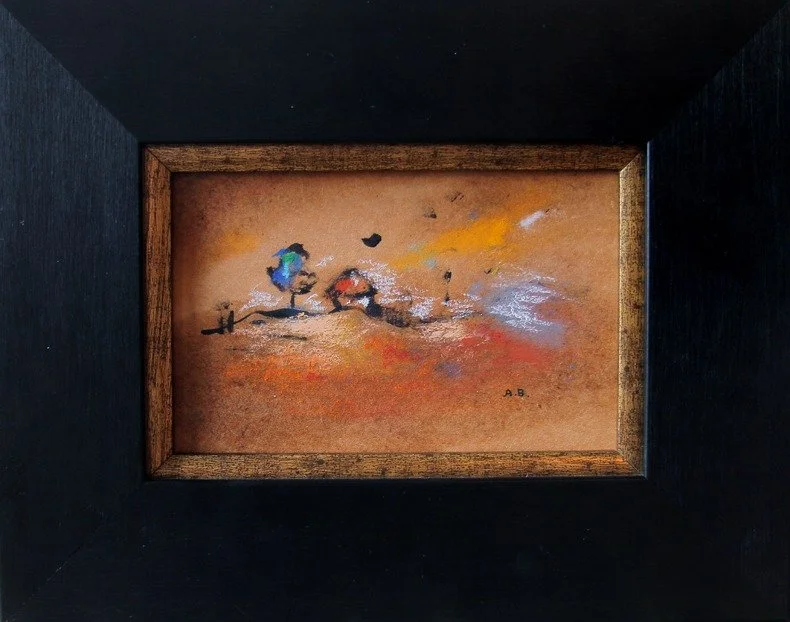
Христианство, братство․․․
Часто говорят, что надо искать правильные форматы для переговоров. Но главное ведь не форматы, а люди, которые должны договариваться. Если один из них Махатма Ганди а другой Фридрих Шиллер — они наверняка смогут договориться. И больше того — заключить великий, братский союз. Из таких встреч возникает неиссякаемый источник для современности и будущего.
Идя по такой дороге, страны теряют свою значимость в смысле только материальных границ и территорий, и люди доброй воли становятся гарантами дружбы народов, без границ, без искусственных ограничений. И как раз этим они будут хранить верность по истине всему тому дорогому, чем одарила их родина, язык, отцы и предки. Правильно понятое — грузинское, армянское, русское и немецкое не будет больше камнем преткновения между народами, так как люди начнут уже более тонко понимать незримую связь всех вещей. Люди оставят границы в покое и начнут искать возможности их нарушения, потому что они будут мешать им быть вместе. Если мы поистине обогащаемся друзьями, единомышленниками, нам не нужны больше те или иные, новые территорий, статусы, рычаги давления и т.д. так как нам везде рады, с нами делятся, у нас везде дом.
Если подумать — куда может вести нас все
более глубоко понимаемое христианство?
Оно ведь, не должно пониматься только как
некое обособление избранных... Однажды
на меня очень подействовали слова отца
моего, я прочел в его записях: "Дело свое,
а не себя надо утверждать в мире. Не о
том грезить, чтобы стать певцом, а о том,
что должно быть воспето" ...
Так наверно и христианину, стоит
стремиться отстаивать в мире цели
христианства, не себя самого.
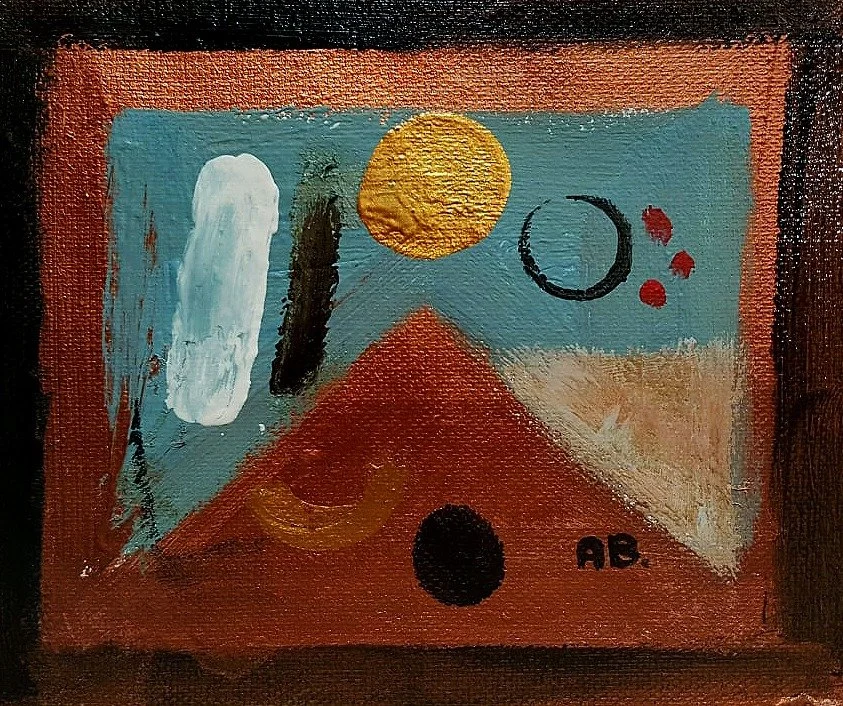
Литература. Самая любимая книга
Не мало конечно книг — особенно значимых,
которые воспринимаешь как что-то родное...
Про некоторые даже не хочется говорить,
но можно вспомнить "Витязь в барсовой
шкуре" Руствели, "Житье Грузии",
"Парсифаль"- Вольфрама Фон Эшенбаха,
Ритмически музыкальное "Гильгамеш"...
"Принца Гомбургского" - Клейста, целый ряд
сильнейших произведений Ибсена,
Достоевского и т.д Но чтобы не исключать какое-либо из них, пусть здесь любимой книгой будет названа своего рода "Книга книг", - собранная из всех остальных и дорогих...
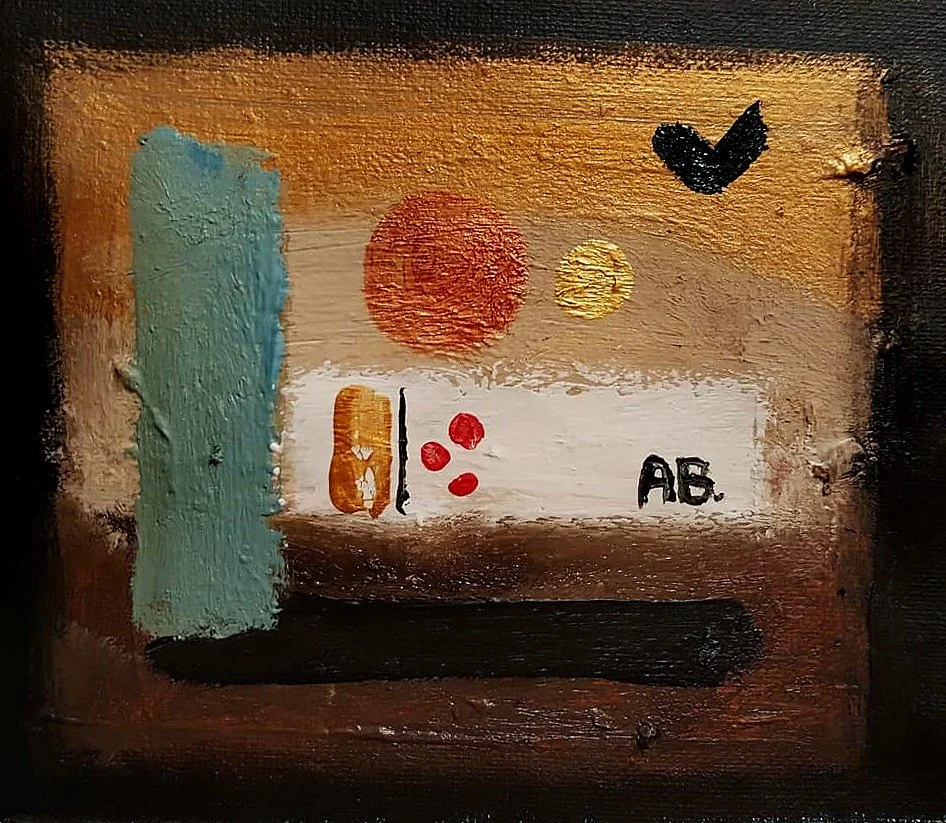
волшебство кисти...
Сравнивая художников, живописцев, бывают иногда расположены представлять их в некоем вертикале сравнения — кто лучше? Но если в стилистическом сравнений поместить их горизонтально, рядом, - тогда можно дать им возможность дополнять друг друга - и то, чего может не доставать у одного, будут находить у другого, даже далеко не выдающегося художника.
В этом ключе у многих вещей появляется дополнительное "право существовать". Познается целесообразность, своевременность, а не абстрактное "лучше". Обретает все большее значение контекст и личность, что выражает себя посредством той, или иной работы.
Например у Рембрандта всего пол года, был учитель —Питер Ластман. Значение этого человека, вклад и заслуга его художественных находок, творческих приемов очень велика в формирований Рембрандта. Если сравнивать этих двух художников в момент их встречи, то у Ластмана могут быть те преимущества, что потом уже становятся одной из главных художественных приемов гениального Ван Рейна. С другой стороны, отдельность — если ее не представлять в сравнениях — не может быть актуальна. Мысля вещи
в сравнениях, мы находим новые
отношения, положения между ними. Если
мы видим, что одна скульптура не подходит
для центральной площади столицы, то
может она-же отлична для городка в горах.
Там она обретает свое особенное значение
и оправдывает свое назначение.
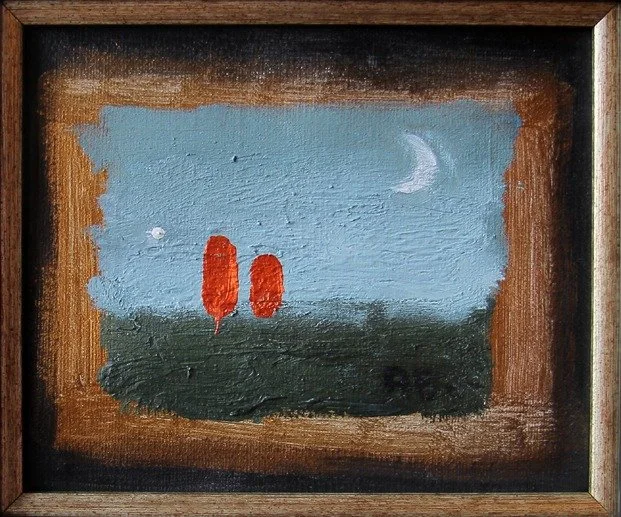
Все новое, актуальное в современном
искусстве не может прийти только по
желанию, или решению художника,
даже если он чувствует, что это необходимо
и даже если он мастер своего дела. Придется
ждать момента. Новое должно открываться
как открывается закон природы. Мы не
выдумываем ее, но находим, через работу,
через внимание и интерес, также через ряд
других вещей...
"Цех художников"
Обозревая произведения искусства,
концепций, формы в художественных
группах, — должна идти речь о
целесообразности, своевременности.
Каждый художник находит себя в зеркале
других художников. И правильно понимая цели искусства, на нас больше не довлеет авторитет. Мы стремимся тогда к синтезу, к коллабораций, совместной работе с другими. Как у каждого слова свое назначение в предложении, так и здесь, в группах художников. Работая совместно возникает такое новое, чего бы без этой совместной работы не возникло бы.
Как это не смешно, но серьёзной, совместной, интересной работе в группе, отстаиванию общих целей в искусстве мешает часто как раз талант, а не неимение его. Талантливые люди бывают расположены работать в одиночку и показывать всем, что они сами по себе. А это мешает добиться социального назначения искусства в наше время — ее " Гражданственности".
В наше время подготавливая выставки, стоит обращаться к конкретной публике, к конкретным людям, ан не абстрактно - к человечеству в целом, не имея в виду реальную аудиторию, в лице которого, можно представлять это человечество. В группе художников, более сильно можно переживать и учитывать настроение города, социального в стране.
Когда встречаются СЛОВО и КРАСКИ
Оскар Уайльд хорошо чувствовал важную связь между картиной и самим художником. Здесь речь не о его интерпретаций этой связи, а в ощущениях. На самом деле в картинах, в искусстве, мы не можем скрывать то, чем мы живем. И то, что у нас получается — это и есть мы сами.
Направлять человека в искусстве должна
творческая интуиция, а не внешняя логика.
Вообще все что мы можем себе помыслить
как новое, уже было. Лишь ее новая
форма бытия раскрывается в данный момент.
"Все преходящее — лишь символ вечного"
- по Гете. Вечное порождает новые и новые
формы и надо догадываться к какому
прообразу они ведут.
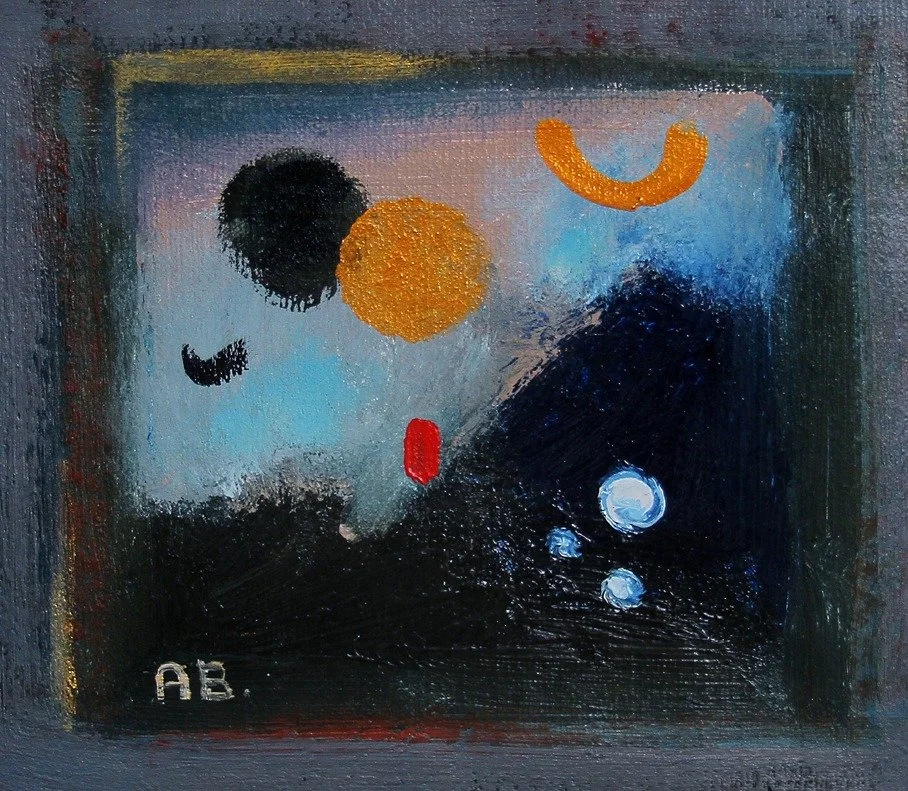
Смотря на цвет как на нечто живое, творящее
новые формы, нуждающемуся в конкретных
соотношениях — мы даем себе возможность
перешагнуть за грань существующих
представлений, вкусовых соотношений и
вступать в мир, где живопись — верится —
найдет свое новое будущее.
Можно порой уходить от задуманной
заранее в какой-либо конкретной,
фигуративной, или композиционной форме
решенной тематики в картине и идти по пути,
больше внутреннего ощущения. К передаче
темы посредством морального,
психологического действия цвета, фактуры,
стараясь находить формы именно по этим
законам. Выбирая те соотношения, что
подобает самому характеру задуманной темы, цветового настроения. Специально теряя таким образом тему, в конце заново, но по-новому ее обретаешь.
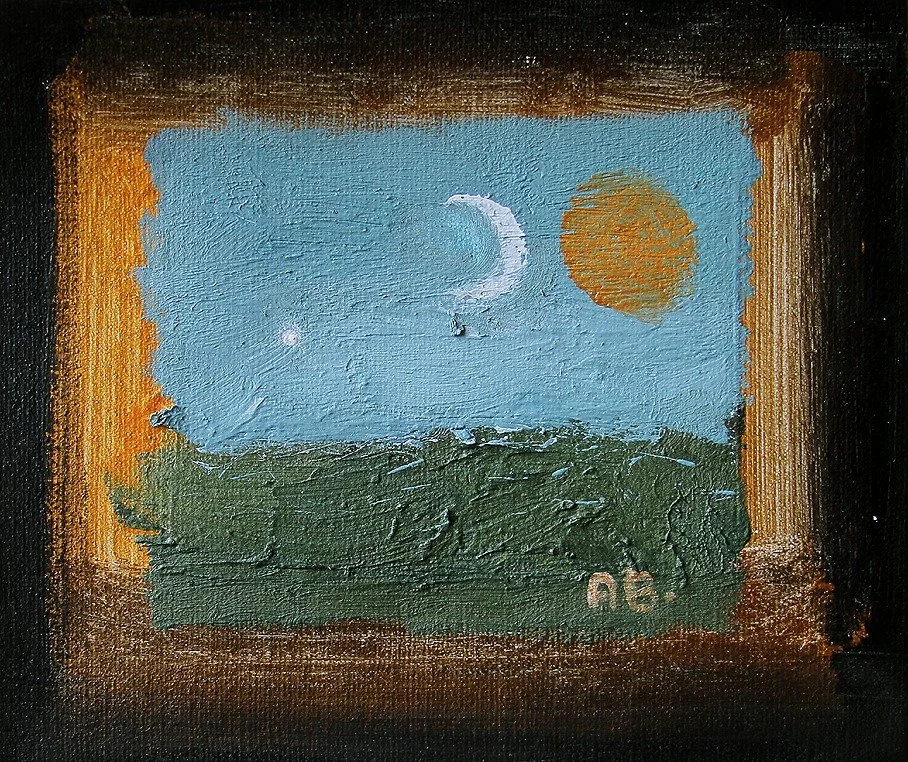
...
Рембрандт рисуя даже одну единственную фигуру, - в драматизме фона, в освещении, в деталях, выражений лица и рук, в фактуре, в символах, - в соотношениях и в недосказанности дает нам возможность мыслить в некоем конкретном настроении бесконечный мир великого целого, всего того грандиозного, что только может человек себе представить.
В картине часто намного важней это настроение, чем даже то, что на ней изображено. Если суть найдена, форма придет сама, присущая именно тому времени и месту, — когда и где она возникает.
Если рисовать некую проблему, но так, что оно не будет иметь в себе зачаток возможного выхода, то это будет добавление новой проблемы к старому.
Когда мир беднеет наружно, это есть выражение внутреннего. Видя вокруг только уродливые формы, не хотя менять их, не стремясь к облагорожению вещей, придется признать что и мы становимся мещанами... Конечно можно рисовать уродливый корпус дома, если это нужно — но тогда рисовать надо так, чтобы посредством нее зритель сам смог бы развить в себе такую внутреннюю активность, которая сможет в противовес уродству найти незримо что-то красивое. Можно вспомнить "голубой период" Пикассо, здесь глаз часто требует себе красное. Но ее или совсем нет, или очень и очень мало. Сразу чувствуется, что это сделано умышленно, с развитым эстетическим пониманием. Художественное ощущение зрителя подтверждает, что у такого замысла есть сила выразительности.
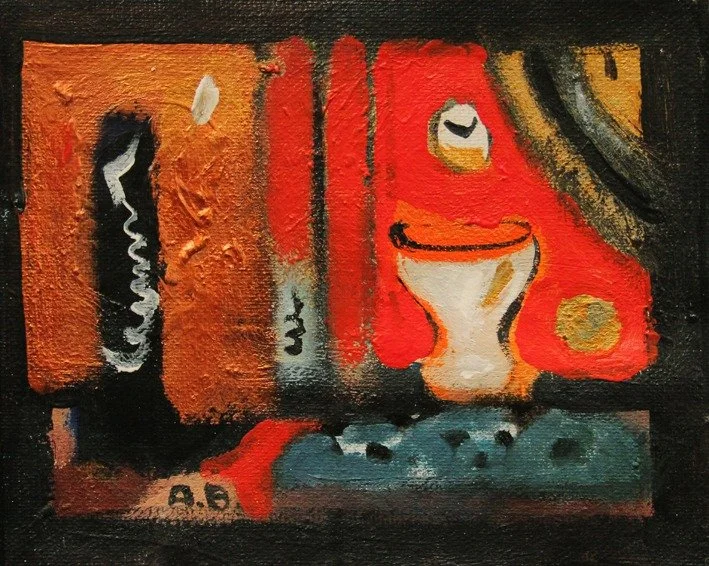
Искусство — встреча с Богом
Искусство есть живое существо.
Иногда молчать о боге много значимее,
чем говорить о нем.
Как говорит человек о чем то, всегда показывает, что oн желал бы сказать на самом деле.
Златоволосое Вдохновение
Вдохновение — это когда к труду человеческому подлетает ангел.
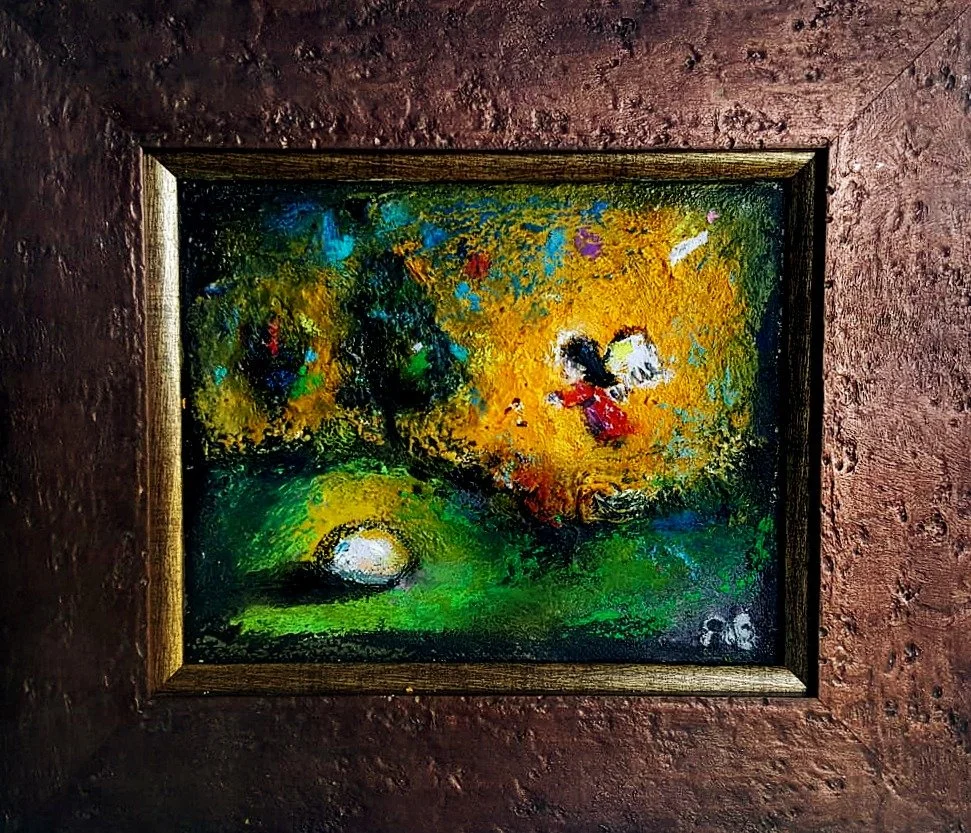
В шумных переулках города я ищу...
В шумных переулках города я ищу тех, что скажут мне — мы тебя узнали. Мы искали тебя во всех наших жизнях и находили, или ты находил нас. Мы слушали тебя и любили, мы соскучились по нашим интересным встречам. Я ищу тех, кого знал когда-то, кого я знал и в этой жизни. И ищу того, чей лик проскальзывает иногда сквозь взгляд прохожих, смех молодой девушки, через рукопожатие благородного человека, кто смотрит через всякий глаз на земле и выражает себя через разные звуки мира.
Женщина- Муза, Мужчина — Творец
Когда рождается Сольвейг, можно написать " Пер- Гюнт", как это сделал великий Ибсен, но без Сольвейг никакой "Пер- Гюнт" не получится. Писатели не вымышляют своих героев, они сперва видят их, - конкретных людей, - они знакомы с ними и лишь взяв конкретный пример из жизни и доведя его до совершенства, - но именно конкретный пример, конкретного человека, - можно потом создать образ в литературе. Из абстрактного рождается лишь абстрактное.
На счет музы ... сегодня часто упоминают ее, но внутреннего смысла в этих словах редко приходится находить. Когда кого-то называют музой, - не думают о самой музе, которая это слышит.
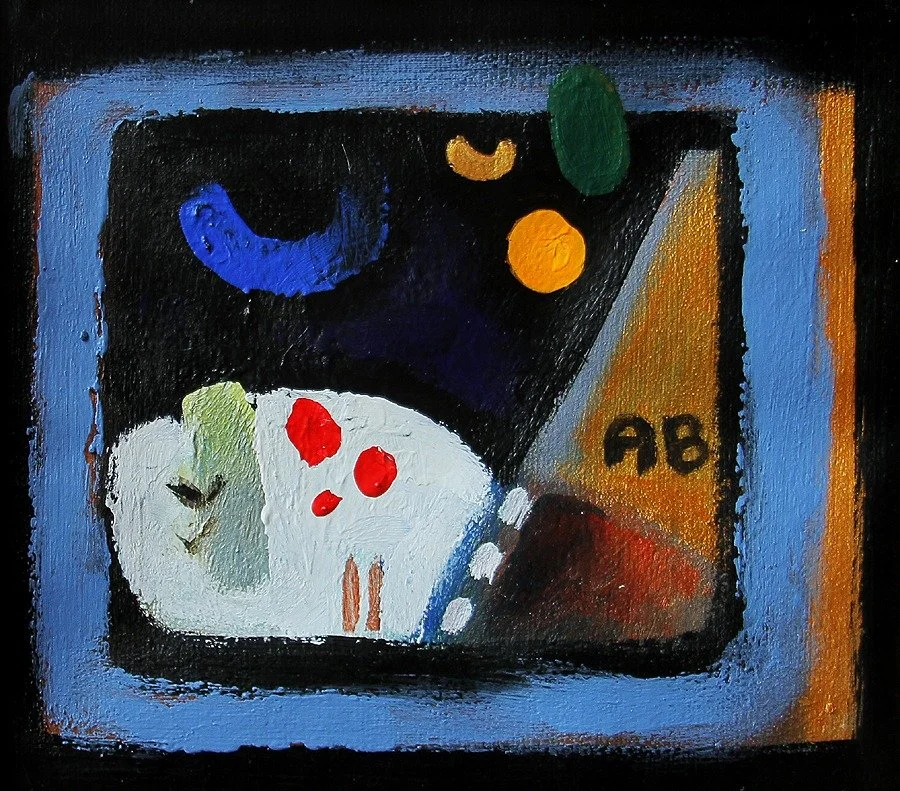
Формула личного и все людского счастья
Многие люди стремятся к счастью - к сожалению мысля ее лишь как личное. Самое страшное, когда люди готовятся после смерти попасть в тот рай, что себе представляют, как материальный сад блаженства. Многие готовы даже расстаться на этом пути с самими дорогими сердцу людьми, близкими, что по их мнению могут оказаться недостойны войти в нее,- не понимая, какой же это будет тогда рай.
Думается, что счастье в физическом мире, лишь
материально осмысленное — есть осмысление
предстоящей потери, чуть или намного раньше
нее. Поэтому стремясь к счастью, искать все-же
надо не ее саму, - а то, к чему призывает
внутренний голос; что нужно делать с точки
зрения совести и долга, ради блага не только
себя, но и ближних, ради идеи, что нужно
мыслить за всем материальным. Думается, что
на этом пути, если повезет — человек может
обрести мир в себе и в других, радость тем,
что есть и смотреть на любимых людей, на
величие и красоту мира с благодарностью.
Герой из книги "Витязь в барсовой шкуре" - Автандил говорит слова: "არა ვიქმ, ცოდნა რას მარგებს ფილოსოფოსთა ბრძნობისა" - в переводе на русский будет примерно так: " Не осуществив ее в деяниях (В жизни), что даст мне мудрости философов знание".
Да, - то во что мы верим, что мы хотели бы видеть в мире, что мы почитаем как мудрость, надо ведь оживить в самих себе...
Законы природы и законы придуманные современностью все больше становятся в парадоксальное друг к другу положение. К примеру, самым желанным моментом недели для многих, становится вечер пятницы, а не воскресение, к которому надо бы было как раз стремиться, - в ключе осмысления недели с духовной точки зрения, где воскресение есть начало, солнечный и самый радостный день.
Еще на тему счастья, вспоминаются слова Достоевского: "Солнцу надо быть солнцем!", - когда советуют Раскольникову, идти в тюрьму... Счастьем в таком контексте это может и не назовешь, но по сути себя и других в жизни находить стоит.
Нам не хватает страсти...
По-моему страсти в мире как раз хватает, но
вот любви все меньше и меньше. Развиваться,
в истинно духовном смысле этого слова —
значит вспоминать и готовиться любить.

Непредвзято познав искренние причины
какого-то нашего действия — мы учимся
познавать себя. Через осмысление причин
действия других — мы учимся все больше
прощать, понимать.
Вообще желание не должно мешать нам
взирать на реально существующие вещи,
отношения. Может девушке нравится роза,
но в глубине сердца она чувствует, -
превратись в цветок — она бы стала подобна не ей, а например фиалке, или сирени... Так как мы ведь несем в себе некие свойства характера, что подобны больше именно тем или иным растениям, цветам, животным...
Кому-то нравится царь зверей — но знакомые видят в нем — оленя. Ощущая так природу и себя, находя связи и отличия — мы выходим за рамки только нашей симпатий и антипатий и учимся познавать правду, сущность вещей.
Укажите последнюю книгу что прочли
Из художественной литературы — рассказы А.П.Чехова
Вне скобок
Хочу поблагодарить ваш журнал от всего сердца,
за интерес и за возможность быть услышанным
вашими дорогими читателями. Хочется пожелать,
чтобы ваша деятельность была для современников
актуальной и духовно богатой, творческой.
Мы ориентируемся на правильные, добрые,
принципиальные поступки и это прибавляет нам
веру в человечество, в будущее. Ничего не
пропадает даром.
...
Можно сегодня закончить словами, которые часто говорил один особенный человек, живущий в Тбилиси в 80-их годах — Виталий Александрович Богословский: "Надо не ругать тьму, но зажигать свет".
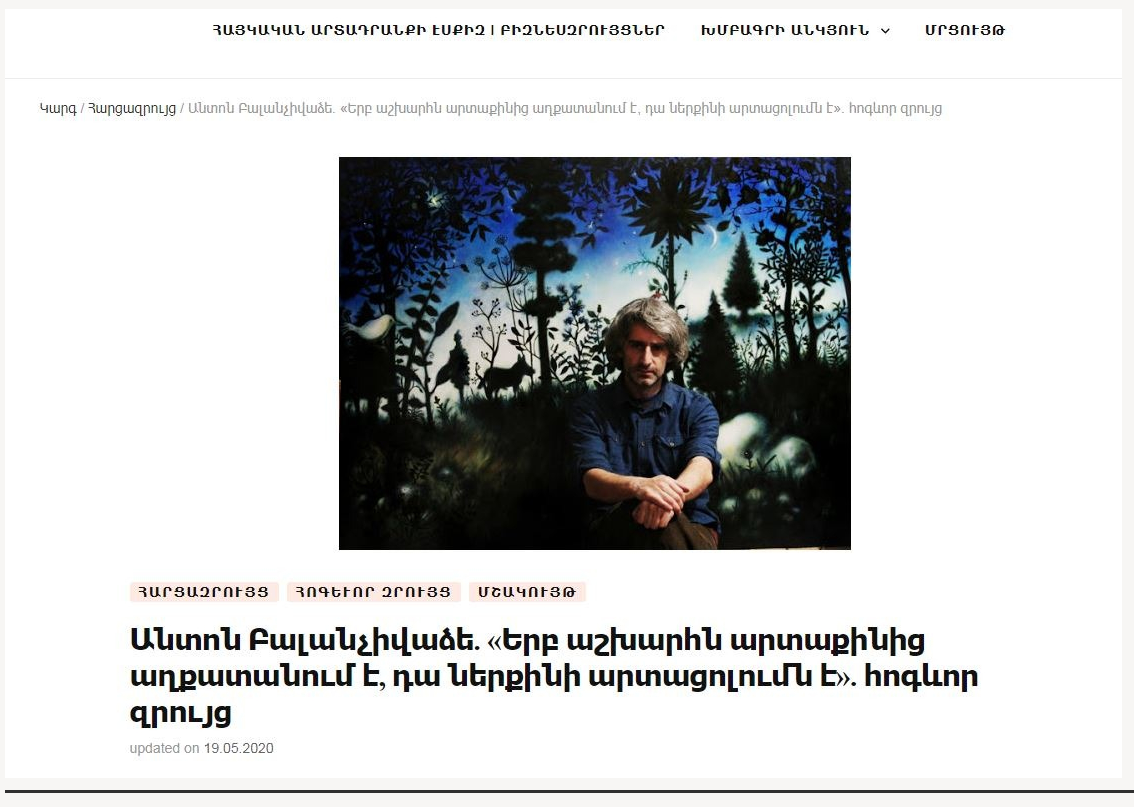
Фотографии из личного архива Антона Баланчивадзе
Беседу велa Маргарет Асланян
© Ереван 2020
«Когда мир беднеет наружно, это есть выражение внутреннего»

English Translation
„When the world grows outwardly poor, it is but the reflection of an inner barrenness.“
— Margaret Aslanian — A Soulful Conversation — Updated: May 19, 2020:
My name is Anton Balanchivadze...
My name is Anton Balanchivadze. I am an artist.
On the path toward the light, a person comes to understand that light is the sun’s great sacrifice. Through its profound offering, the world unfolds.
The weight of every single, distinct human life is unfathomably vast. We cannot comprehend the homeland, the mission of a people, or justice itself without specific souls, familiar faces, and the intimate trials tied to them. Every meeting between one human and another gives birth to a newly awakened world... The more memorable, soulful, profound, and meaningful that encounter, the truer and more majestic is what arises from it, the more authentically we touch reality, and the more precious life becomes. Statistics, by contrast, are mere abstractions.
To achieve prosperity and the upliftment of life cannot be done through abstract truths, cold systems, and statistics, where a human being is reduced to a formal unit. Information is not yet truth. Remember what Bernard Shaw once said: „If my neighbor beats his wife daily and I never do, by statistical account we both beat our wives every other day.“
Through living deeply into the griefs and joys of others, we awaken to reality, to truth, to understanding. Through the inert consumption of data, devoid of soul, we remain indifferent to the truth of life. As it has been said: „Man approaches either from compassion to knowledge, or from knowledge to compassion.“
Humanity
For the artist, creation must be realized as a medium, a living possibility, and never merely an end in itself. If a musician comes to love music more than that elevated realm to which it turns and from which it springs—more than those beings they call Muses—they cease to comprehend and feel the very sanctuary it strives to herald. Thus, imperceptibly, they drift into idolatry, becoming materialists in art, blind to the true purpose of music, painting, and poetry.
Through true art, human beings can truly know and feel one another, for within art, the national expands into the universal, rising to embrace all humankind. More and more, we must awaken to this dawning era of converging nations and mingled cultures, realizing that our gaze must stretch far beyond the self.
Along such a path, the pretexts for conflict dissolve. People begin to realize with growing clarity: A country is not some fabricated notion of an abstract past or a promised future; a country is the flesh-and-blood human being who represents it, who guards its secrets, its greatness, and its singular spirit through their finest devotion. What we represent to the world and to each other in this very moment—that precisely is our country, for them and for ourselves. A person serves their nation most truly when they serve the universal good of humanity.
Christianity, Brotherhood...
It is often said that we must seek the right formats for negotiation. Yet the essence lies not in formats, but in the souls who must come to terms. If one were Mahatma Gandhi and the other Friedrich Schiller, they would surely find a way to agree—and more than that, forge a great, fraternal union. From such encounters flows an inexhaustible fountain for the present and the days to come.
Walking this path, nations shed their narrow significance as mere material borders and territories, and people of goodwill stand as guardians of a fellowship of nations—free of boundaries, free of artificial restraints. In doing so, they remain utterly faithful to everything precious bestowed upon them by their homeland, their language, their fathers, and their ancestors. Properly understood, the Georgian, the Armenian, the Russian, and the German will no longer be stones of stumbling among peoples, for souls will begin to perceive the delicate, unseen thread connecting all things. People will leave borders in peace and seek ways to transgress them only because those lines dare to keep them apart. If we are truly enriched by friends and kindred spirits, we no longer hunger for new territories, statuses, or levers of pressure, for everywhere we are welcomed, everywhere we are shared with, everywhere we have a home.
If we ponder—where might a deeper, truer understanding of Christianity lead us?
It was never meant to be understood merely as some exclusivity of the chosen... Once, words spoken by my father left an indelible mark upon me; I read them in his journals: „We must affirm our work in the world, not ourselves. We must not dream of becoming the singer, but of what must be sung“...
So too must the Christian strive to defend the living aims of Christianity in the world, not their own ego.
Literature. My Most Beloved Book
There are countless books, of course—profound works that one feels as kin...
Of some one scarcely wishes to speak, yet we might name Rustaveli’s The Knight in the Panther’s Skin, the ancient chronicles of Georgia, Wolfram von Eschenbach’s Parzival, the rhythmic music of Gilgamesh... Kleist’s The Prince of Homburg, a multitude of the most powerful plays by Ibsen, Dostoevsky, and so on. But so as not to exclude any among them, let the beloved book here be named a sort of „Book of Books“—woven together from all other cherished pages...
The Magic of the Brush...
When comparing artists and painters, we are sometimes tempted to place them along a vertical ladder—asking who is greater. Yet if we arrange them horizontally, side by side in stylistic harmony, we grant them the grace to complete one another. What one may lack can be found in another, even in an artist of modest acclaim.
In this light, many works acquire an additional „right to exist.“ We begin to recognize appropriateness and timeliness, rather than an abstract notion of „better.“ Context and personality rise in power, expressing themselves through this or that creation.
For instance, Rembrandt had a teacher for merely half a year—Pieter Lastman. The significance of this man, the contribution and merit of his artistic discoveries and creative techniques, left an immense imprint upon Rembrandt’s formation. If one compares these two masters at the moment of their meeting, Lastman may possess certain advantages that would later mature into the signature pillars of Van Rijn’s genius. On the other hand, singularity—if viewed entirely isolated from comparison—loses its pulse. Thinking in relationships, we discover new intersections between things. If a sculpture fails to suit the central square of a capital city, it might prove wondrous in a mountain town, where it suddenly finds its true resonance and justifies its destiny.
All that is fresh and vital in contemporary art cannot be summoned merely by the artist’s will or decree, even if they feel its absolute necessity and command their craft. One must await the hour. The new must reveal itself just as a law of nature is unveiled. We do not invent it; we find it through labor, through attention and wonder, and through a constellation of unseen things...
„The Guild of Artists“
When surveying works of art, concepts, and forms within artistic circles, our measure must be one of appropriateness and timeliness. Every artist discovers themselves in the mirror of other creators. When we rightly understand the purpose of art, the tyranny of mere authority fades away. We reach then toward synthesis, collaboration, and shared creation with others. Just as every word holds its unique office within a sentence, so it is within a brotherhood of artists. Through joint endeavor, something is born that could never have come to be in solitude.
Strangely enough, what so often hinders serious, collaborative, and inspired artistic work—and the defense of shared ideals—is not a lack of talent, but talent itself. Gifted individuals are often inclined to walk alone, eager to prove their self-sufficiency. Yet this isolates them from fulfilling the social vocation of art in our time—its civic soul.
Today, in curating exhibitions, we must speak to a concrete public, to real human beings, rather than addressing an abstract „humanity“ while ignoring the living audience standing before us. Within a community of artists, one can feel and mirror the pulse of the city and the social spirit of the land much more profoundly.
When WORD and COLOR Meet
Oscar Wilde deeply understood the vital bond between a canvas and the artist. This speaks not of his interpretation of that bond, but of the sheer sensation of it. In truth, within our art, we can never conceal what we live by. What emerges from our hands is simply who we are.
Art should be guided by creative intuition, rather than external logic.
In truth, everything we can possibly conceive as new has already existed; only its fresh mode of being is dawning in this very hour.
„All things transitory but as symbols are sent“—as Goethe wrote. The Eternal breathes forth ever-new forms, and we must divine toward which archetype they lead.
Looking upon color as something living and breathing—something that gives birth to new shapes and hungers for precise harmonies—we grant ourselves the grace to step beyond existing conventions and tastes, entering a realm where painting, we trust, will find its renewed future.
At times, one must step away from a preconceived, figurative, or strictly composed theme, following instead the inner murmur of sensation. We surrender to the moral and psychological interplay of color and texture, seeking forms born of these very laws. We choose harmonies that befit the true spirit of the imagined motif and its chromatic mood. By deliberately losing the subject in this way, we find it anew at the end, transformed.
...
Rembrandt, even when portraying a single solitary figure—through the drama of the background, the play of light, the nuance of face and hands, the grain of texture, the whisper of symbols, through proportion and pregnant silence—grants us the space to ponder, within a singular mood, the infinite world of the grand totality, of all that human imagination can grasp.
In a painting, this atmosphere is often far more vital than the subject depicted. If the essence is found, the form will follow, answering precisely to the time and place of its birth.
If one portrays a problem without containing within it the seed of a possible release, it becomes merely an old wound burdened with a new sorrow.
When the world grows outwardly poor, it is but the reflection of an inner barrenness. Seeing only ugliness around us, yet unwilling to transform it, refusing to ennoble things, we must confess that we too are slipping into pettiness... Of course, one may paint the dreary shell of a building if it is called for—yet it must be painted in such a way that the viewer is stirred to waken an inner vitality capable of secretly discerning beauty beneath the decay. We might recall Picasso’s „Blue Period,“ where the eye so often yearns for a flash of red. Yet it is absent, or vanishingly rare. We instantly feel this restraint was intentional, guided by a heightened aesthetic sense. The artistic intuition of the spectator confirms that such a vision pulses with undeniable power.
Art is an Encounter with God
Art is a living creature.
To remain silent about God is often far more significant than to speak of Him.
How a person speaks of anything always reveals what they truly wish they could say.
Golden-Haired Inspiration
Inspiration is when an angel alights beside human labor.
In the Noisy Alleys of the City I Seek...
In the bustling alleys of the city I seek those who will say to me—we knew you. We sought you through all our lives and found you, or you found us. We listened to you and loved you, we have longed for our meaningful meetings. I seek those whom I once knew, whom I have known even in this life. And I seek the countenance that occasionally slips through the gaze of a passerby, the laughter of a young girl, the handclasp of a noble soul—who looks out through every eye upon the earth and speaks through the varied voices of the world.
Woman the Muse, Man the Creator
When Solveig is born, one can write Peer Gynt, just as the great Ibsen did, but without Solveig no Peer Gynt could ever exist. Writers do not invent their characters; they perceive them first—living, breathing human beings whom they know. Only by taking a concrete spark from life and carrying it to perfection—precisely a concrete soul—can an image be forged in literature. From abstraction, only abstraction is born.
As for the muse... today the word is tossed about lightly, yet its inner pulse is rarely felt. When someone is called a muse, no one pauses to think of the muse herself who hears it.
The Formula for Personal and Universal Happiness
Many people strive for happiness—yet sorrowfully, they conceive of it only as a private possession. Most terrifying of all is when souls prepare themselves for death, hoping to enter an imagined paradise of material bliss. Many are even willing to abandon their dearest loved ones along the way, judging them unworthy to cross those gates—failing to realize what manner of heaven that would truly be.
It seems that happiness in the physical world, understood purely through material gain, is merely the anticipation of an impending loss, experienced just a little sooner. Therefore, in seeking happiness, one should seek not happiness itself, but that which the inner voice commands; what must be done out of conscience and duty, for the good not only of the self, but of our neighbors, for the sake of the idea that must outlive all material things. It is my belief that along this path, if fortune smiles—a person may find peace within themselves and others, rejoice in what simply is, and gaze upon their beloved ones and the majesty and beauty of the world with profound gratitude.
Avtandil, the hero from The Knight in the Panther’s Skin, speaks these words: „არა ვიქმ, ცოდნა რას მარგებს ფილოსოფოსთა ბრძნობისა“ — which in translation might run: „Without embodying it in deeds (in life), what will the wisdom of philosophers profit me?“
Yes—that in which we believe, what we long to see in the world, what we revere as wisdom, must first be brought to life within ourselves...
The laws of nature and the laws contrived by our modern age stand in an increasingly paradoxical relation to one another. For instance, the most coveted moment of the week for many has become Friday evening, rather than Sunday—towards which we ought to aspire as a spiritual culmination of the week, where Sunday is the dawn, the solar and most joyous of days.
On the theme of happiness, Dostoevsky’s words come to mind: „The sun must be the sun!“—spoken when advising Raskolnikov to walk toward prison... One might not call that happiness in the ordinary sense, but in the deepest truth, one must find oneself and others in life.
We Lack Passion...
To my mind, there is no shortage of passion in the world; rather, it is love that grows scarcer and scarcer. To evolve, in the true spiritual sense of that word, means to remember and to prepare oneself to love.
Through unvarnished, sincere inquiry into the roots of our deeds, we learn to know ourselves. Through understanding the origins of the actions of others, we learn ever more deeply to forgive, to comprehend.
Desire should never blind us to the living reality of things and relations. A young woman may fancy a rose, yet deep in her heart she feels that if she were to transform into a blossom, she would resemble not a rose, but perhaps a violet or a lilac... For we each carry within us character traits that attune us more closely to certain plants, flowers, or creatures...
Some may admire the king of beasts, yet those who know them see a gentle stag. By sensing nature and ourselves in this way—discerning ties and distinctions—we step beyond the cage of mere sympathies and antipathies, learning to fathom truth and the true essence of things.
Name the Last Book You Read
From fiction—the short stories of Anton Chekhov.
Beyond the Brackets
I wish to thank your journal from the bottom of my heart for your interest and for the privilege of being heard by your esteemed readers. I hope your work remains vital, spiritually rich, and deeply creative for our contemporaries. We are guided by upright, gentle, and principled deeds, and this fortifies our faith in humanity, in the future. Nothing is ever lost in vain.
...
We might close today with words often spoken by a remarkable man who lived in Tbilisi in the 1980s—Vitaly Alexandrovich Bogoslovsky: „We must not curse the darkness, but kindle a light.“
Photographs from the personal archive of Anton Balanchivadze
Interview conducted by Margaret Aslanian
© Yerevan 2020
„When the world grows outwardly poor, it is but the reflection of an inner barrenness.“
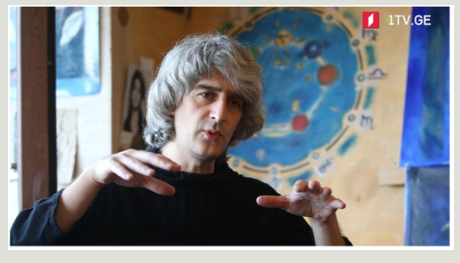
ინტერვიუ მხატვარ ანტონ ბალანჩივაძესთან
An interview in Georgian, conducted by Ia Antadze, discussing art, society, and philosophy. (English translation available)

ინტერვიუს შესახებ
არიან ადამიანები, რომლებსაც განსაკუთრებულად აქვთ განვითარებული სიზუსტის გრძნობა. ისინი მთავარსა და მეორეხარისხოვანს მხოლოდ საკუთარი საზომით აღიქვამენ და როცა ასეთი სტუმრის პირისპირ აღმოვჩნდები ხოლმე, არასოდეს ვარ დარწმუნებული, რომ მისი სათქმელი ზუსტად გადმოვეცი.
ანტონ ბალანჩივაძის ინტერვიუს მეშვეობით გაიგებთ ზუსტად იმას, რისი თქმაც სტუმარს სურდა. ჩემი თხოვნით, ანტონი ძალიან დამეხმარა, რომ მისი სათქმელი მკითხველამდე სწორად მიგვეტანა. ზოგიერთი მონაკვეთი შეიძლება მეტად მოგეწონოთ, ზოგი - ნაკლებად, მაგრამ ანტონს არ ეშინია, თქვას ის, რასაც ფიქრობს. ხოლო ფიქრობს ღრმად, ზუსტად, მასშტაბურად. მათ შორის, ვინც თანამედროვე საქართველოს შინაარსს ქმნის, დარწმუნებული ვარ, ანტონიც არის.
ეს ყველაზე უკეთ მის ნამუშევრებში ჩანს, მაგრამ, დარწმუნებული ვარ, ჩვენი ინტერვიუც გაგიკვალავთ გზას ანტონ ბალანჩივაძის პიროვნებისკენ.
P.S. ვიდეო მომზადებულია „პარაშუტის“ https://www.facebook.com/parachutetvshow/ მიერ.
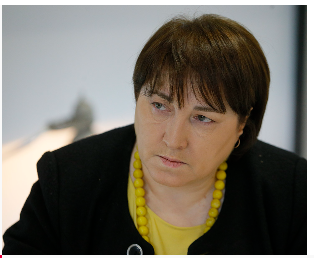
ია ანთაძე
- ანტონ, ერთ-ერთი გადაცემის ბოლოს დაფაზე დაწერეთ ფრაზა: „სიბრძნე უნდა იქცეს ცხოვრებად.“ რას გულისხმობდით? ნუთუ, ეს შესაძლებელია?
- ეს იმ ფრაზის სხვაგვარი ფორმულირებაა, რომელიც რუსთაველთანაც გვხვდება, ავთანდილის ანდერძში: „არა ვიქმ, ცოდნა რას მარგებს ფილოსოფოსთა ბრძნობისა.“ მთელ მსოფლიოში სერიოზული პრობლემაა, რომ თანამედროვე ადამიანი გაყოფილია. ერთია, რასაც ის მორალურ კრიტერიუმებად, სწორ ქცევად მიიჩნევს, მაგრამ მეორეა, როგორ იქცევა. ჩვენი ცხოვრება ისეა აწყობილი, გვიბიძგებს, რომ ეს პოსტულატები დავარღვიოთ. აქედან გამომდინარე, თანამედროვე ადამიანი თავს სულ რაღაცაში დამნაშავედ გრძნობს, - მე ასე აღვიქვამ. თუ გვინდა, რომ შინაარსი შევიძინოთ, რაც სწორად მიგვაჩნია, ის უნდა გავაცოცხლოთ ქცევაში. ჩვენ გვჭირდება კონკრეტული ადამიანები, მაგალითები, რომლებიც ცვლიან საკუთარ და სხვების ცხოვრებას. ეს არის განვითარების გზა და არა, ვთქვათ, არჩევნები.
- თქვენი საჯარო გამოსვლები იმაზეა აგებული, რომ სიმართლე უნდა დავიბრუნოთ; რომ ეს არის პიროვნული და ქვეყნის განვითარების სწორი გზა. არადა, 2015 წელს გადაიღეთ მოკლემეტრაჟიანი მხატვრული ფილმი „სკივრის საიდუმლოება“ და მთელი ფილმი ააგეთ ერთ ფრაზაზე: „არის სიმართლე, რომელიც არავის სჭირდება.“ თქვენს ძირითად კონცეფციას როგორ შეესაბამება ეს ფილმი?
- ეს არის ლორდ ბეკონის წიგნში ჩაწერილი ისტორია ვედებიდან, ძველი აზიური სიბრძნის საგანძურიდან. ისტორია იმპერატორზე, რომელსაც უთხრეს, რომ ცოლი ღალატობდა. როცა ოთახში შევიდა დედოფალთან, მის გარდა იქ მხოლოდ დიდი სკივრი იყო. დედოფალმა უთხრა, რომ მას ცილს სწამებდნენ. იმპერატორი აპირებდა, გაეხსნა სკივრი და ენახა, არის თუ არა იქ ვინმე. მაგრამ ბოლოს აღარ ისურვა, რადგან, იმ შემთხვევაში, სიმართლე არავის წაადგებოდა. ვთქვათ, არავინ რომ არ აღმოჩენილიყო, დედოფლის წინაშე სამუდამოდ შერცხვენილი დარჩებოდა უნდობლობისთვის; ხოლო ვინმე რომ ყოფილიყო, მთელი სამეფო დასცინებდა. ამიტომ, სკივრი არ გახსნა. ეს ამბავი მთავრდება ფრაზით: „არის ზოგი სიმართლე (არსებობს ისეთი სიმართლე), რომელიც არავის (არაფერში) სჭირდება“. სიმართლე თუ არ არის გამთბარი ადამიანობით, თუ არ იწვევს შენებას და თუ არ არის საშუალება, რომ ადამიანები რაღაც კარგისთვის აანთოს, - ვის რაში სჭირდება?! ჩვენ შეგვიძლია ვილაპარაკოთ სიმართლე და მაინც ვიტყუებოდეთ. ეს ერთმანეთს არ გამორიცხავს! სიმართლე, რომელიც ჩვენი ტელევიზიებით გადის, ყოველთვის რომელიღაც მხარის პოზიციიდან არის წარმოდგენილი. ზოგჯერ სიმართლეს მაშინ ვიყენებთ, როცა გვაწყობს; ზოგჯერ, სიმართლის მეორე მხარეს, რაღაცას ვმალავთ.
- როგორც თქვენ ახსენით, ასე გავიგე, რომ სიმართლე შეიძლება ბოროტება იყოს მაშინ, როცა, სინამდვილეში, არ არის სიმართლე, ან არ არის ბოლომდე სიმართლე.
- ან, ასევე, არ არის თავის ადგილზე; ვთქვათ, ნაადრევი სიმართლეა, ან სანახევრო, უგულო. სიმართლე მაშინ გვჭირდება, როცა დადებითისკენ შეცვლის უნარი და ამოცანა აქვს. ზოგჯერ თავად ფორმა, როგორითაც ჩვენ ვმსჯელობთ ამა თუ იმ თემაზე, თავის თავში დესტრუქციულია. ასეთ კრიტიკას, უგულო დამოკიდებულებას შენების არავითარი შესაძლებლობა არ გააჩნია. მაგალითად, დებატებს რომ ვუსმენ, სულ პირადი შეურაცხყოფაა.
- როდესაც თანამედროვე მხატვრობაზე საუბრობთ, ბევრჯერ გითქვამთ, რომ ნახატები არ უნდა იყოს განყენებული ცხოვრებისგან; რომ ადამიანი ითხოვს, ხელოვნება ცხოვრებაში შემოვიდეს და მისი საჭირბოროტო პრობლემები გადაწყვიტოს. თქვენ ამას „ხელოვნების მოქალაქეობრიობას“ უწოდებთ. ის, რასაც თქვენ ქმნით, როგორ პასუხობს ამ მოთხოვნას?
- ზუსტად ეგ არის ჩემი გამოწვევა. „მოქალაქეობრიობა“ მამაჩემის ტერმინია. ასეთი იდეა დაამკვიდრა, რომ მხატვრები ყოფილიყვნენ მოქალაქეობრივი; რომ ხელოვნებას სოციალურობა ჰქონოდა. ის ფიქრობდა, რომ ხელოვნების ნიმუშებს უნდა ჰყავდეს კონკრეტული ადრესატი, როგორც, ვთქვათ, წერილს. როცა ვიცი, რომ თქვენ ჩემს გამოფენაზე მოხვალთ და ვიცი, რითი ხართ "ანთებული", რას ელით, რა გაწუხებთ, - შეიძლება გამიჩნდეს სურვილი, რომ თქვენთვისაც რაღაც მნიშვნელოვანი იყოს ამ ნახატში. ეს ჩვენ შორის ერთგვარ ხიდს ქმნის.
- კონკრეტულ ადამიანებზე ფიქრობთ, როცა ხატავთ?
- ზოგჯერ. უფრო ხშირად კი, ალბათ, მთლიან საზოგადოებაზე.
- ესე იგი, სოციუმსაც ითვალისწინებთ.
- ვითვალისწინებ თუ არა, საკითხავია. მინდა, რომ ვითვალისწინებდე. რამდენად გამომდის, სხვა საკითხია. რაც შეეხება იმას, თუ მე რამდენად ვახორციელებ ამ პრინციპს. ერთმა დიდმა თეოლოგმა ასეთი რამ თქვა: მოციქულები, რომლებიც დადიოდნენ და ხალხში სახარებას ავრცელებდნენ, უბრალო მეთევზეები იყვნენ. მათ არ ჰქონდათ განსაკუთრებული განათლება, მაგრამ თვითონ ის დიადი იდეები, რომელთა ხალხში გავრცელებაც იტვირთეს - ეხმარებოდა მათ, რომ ამ გზით უფრო და უფრო გაზრდილიყვნენ, განვითარების მაღალ საფეხურზე ასულიყვნენ. მე მგონია, რომ თუ სწორად იქნება გააზრებული მიზანი, და მას დიდი ღირებულება აქვს, თვითონ ეს მიზანი დაეხმარება საზოგადოებას, რომ წინ გადადგას ნაბიჯი. კრიტიკა კიდევ იმდენად არის გამართლებული, რამდენადაც რაღაცის მიმართ ნამდვილ ინტერესს გულისხმობს. მე აღარ მაქვს ეს პრობლემა, რომ ვიღაცას ჩემი ნახატი მოსწონს, ან არ მოსწონს. მე ვეძებ თანამოაზრეებს. თავის დროზე, გაუცნობიერებლად ვითვალისწინებდი საზოგადოებრივ აზრს ზოგადად და ამან ძალიან შემაფერხა. ახლა აღარ ვითვალისწინებ. მგონია, რომ სჯობს, მართალი ვიყო საკუთარ თავთან და იმ კონკრეტულ ხალხთან, ვის წინაშეც გარკვეულ მოვალეობას ვგრძნობ.
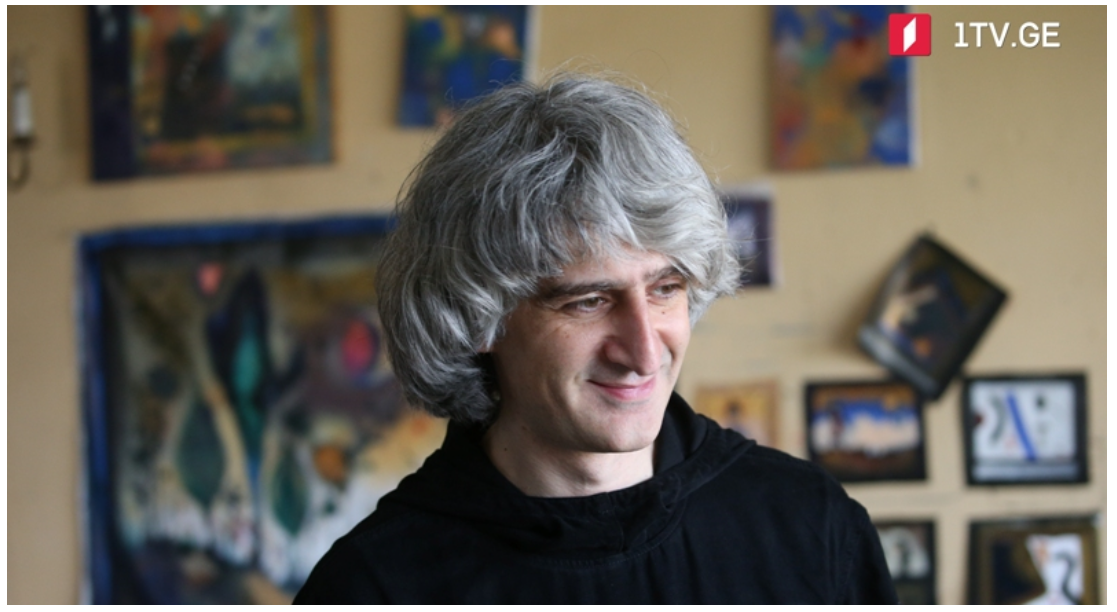
„საზოგადოებრივი აზრის და მედიის თავისუფლების არ მჯერა. რა ვქნა, მაპატიეთ.“
- თქვენ ამბობთ, რომ ადამიანი ყოველთვის საკუთარი თავის ერთგული უნდა იყოს და აკეთოს ის, რაც თვითონ უნდა. თუმცა, ისიც თქვით, ახალგაზრდებს ძალიან გაუჭირდებათ, თავი დააღწიონ საზოგადოებრივი აზრის კუთხით აქტუალურ თემებსო.
- არა, მე ვთქვი, რომ გაუჭირდებათ, თავი დააღწიონ თვითონ საზოგადოებრივ აზრს. როცა ადამიანი მხოლოდ სოციუმს, მის მოთხოვნებს და გემოვნებას ითვალისწინებს, ეს დაბრკოლებაა. ახლაც ეს ვთქვი.
- ადამიანებზე ვფიქრობდი, როცა ვხატავდიო, ესეც ხომ თქვით?
- სხვადასხვა რამეა კონკრეტული ადამიანის და საზოგადოებრივი აზრის გათვალისწინება. ბოლო პერიოდი ამაზე ძალიან აქტიურად ვფიქრობდი. მინდოდა, ჩემთვის გამეცნობიერებინა, საიდან მოდის საზოგადოებრივი აზრი. საზოგადოებრივი აზრის და მედიის თავისუფლების არ მჯერა. რა ვქნა, მაპატიეთ. გამოყოფილია პატარა ნიშა, რომლის ფარგლებშიც შეიძლება ლაპარაკი. იმის იქით აღარ შეიძლება. ეს არის ფანტომი, მოგონილი ორგანიზმი, რომელიც შედგება პოლიტიკოსებისგან, პირველ რიგში; იქ არის დაფინანსებული საზოგადოებრივი ორგანიზაციებიც. საზოგადოებრივ აზრს საპატრიარქოც ქმნის, ნაწილობრივ, ეკონომიკის სფეროს წარმომადგენლებიც და ასე შემდეგ... ანუ ეს არის ფანტომი, რომელიც ჰკარნახობს ყველას, როგორ მოიქცეს. ეს წესები ანგრევს და აჩერებს ინდივიდების განვითარებას. სამხატვრო აკადემიაში სტუდენტების თაობებთან მიწევს შეხვედრა. ერთი და იგივე სტუდენტი, პირველ კურსზე და მეოთხე კურსზე, ორი სხვადასხვა ადამიანია. პირველკურსელი მოდის იმედებით, ნიჭით, ანთებული თვალებით; კითხვებზე პასუხებს ეძებს, ყველას გაცნობა უნდა. მეოთხე წელს ის არის უკვე სრულიად მოწყენილი... უკვე მიხვდა ყველაფერს... ის არის ადამიანი, რომელიც თავის საქმეს თავს ანებებს, იწყებს ხელფასზე მუშაობას, ეშინია საზოგადოებრივი აზრის. საზოგადოებრივი აზრი არის დიდი ბოროტება, უხილავი დრაკონი.
- ქალბატონმა რუსუდან ფეტვიაშვილმა ჩვენთან ინტერვიუში ასეთი ფრაზა თქვა: „სამყაროს აკლია სიფაქიზე და მას ხელოვნება ამთლიანებს.“ თქვენ კი ნათქვამი გაქვთ: „მხატვარმა უნდა ნახოს, რა აკლია, ვთქვათ, მცენარეს; რა იქნებოდა ის თავის იდეალურ გამოვლინებაში და ეს, როგორც გამოცდილება, შეიტანოს თავის შემოქმედებაში. მაშინ ადამიანის როლი დაემატება ბუნების ჩანაფიქრს.“ ეს ორი აზრი, პრინციპში, ერთსა და იმავე შინაარსს გამოხატავს?
- არ მგონია. რუსუდანმა ძალიან საინტერესო რამ თქვა. მაგრამ მე იმაზე ვლაპარაკობ, რომ მცენარეს ბუნების პირობები არტყამს ირგვლივ. როცა კვიპაროსი უდაბნოში იზრდება და წყალი არ ჰყოფნის, ვერ გაიზრდება ისეთი მაღალი და ჯანმრთელი, როგორიც სადღაც იმერეთში, მდინარის პირას. გარემო პირობები მას არ აძლევს საშუალებას, რომ მთელი თავისი მშვენიერებით გამოვლინდეს. ადამიანი, რომელიც კვიპაროსს უდაბნოში შეხვდა, უნდა მიხვდეს, რა ბუნების არის ეს ხე და როგორი იქნებოდა იდეალურ გარემოში. როცა ხატავს, უნდა ჰქონდეს განცდა, რომ რასაც ხედავს, ეს არ არის სინამდვილე. ადამიანიც არ არის რეალურად ის, ვინც უნდა იყოს. ის არის, რაც შეძლო და გამოავლინა ჩვენი საზოგადოებრივი ცხოვრების ფარგლებში, განათლების სფეროს ფარგლებში, საზოგადოებრივი აზრის ფარგლებში. ჩვენ წინ დგას თავისი ბიოგრაფიის ნაყოფი. მაგრამ მის უკან იმალება მისი ჭეშმარიტი არსი, რომელიც, იდეალურ პირობებში, შეიძლება გახდეს თავისი სფეროს მიქელანჯელო, ტიტანი. მხატვრის ამოცანაა, იპოვოს ადამიანში მისი რეალური სახე; დაინახოს ადამიანი ისეთი, როგორიც, წესით, უნდა იყოს.
- ესე იგი, გაამთლიანოს სამყარო?
- არა, ამაღლებული ფრაზები ერთია, მაგრამ ჩვენ გვჭირდება გზები, როგორ ვიპოვოთ კონკრეტული გასაღები კონკრეტული სიტუაციებისთვის აწმყოში, ახალ რეალობაში. ჩვენს საზოგადოებაში არის პოსტულატები. უმეტესად, სულ არის სწრაფვა სისტემის დახვეწისკენ - რომ ცხოვრება მოგვარდეს სისტემურად, დაინერგოს საზოგადოდ საჭირო რაღაც ობიექტური სიკეთეები, მაგრამ, ხშირად, კონკრეტული ინდივიდების ინტერესების გაუთვალისწინებლად. თითქოს, უკვე მერე, ეს სისტემა თავად მოაგვარებს ცალკეული ინდივიდების ცხოვრებასაც. ეს არასწორი გზაა. სრული პასუხისმგებლობით ვამბობ იმიტომ, რომ გამოცდილი მაქვს. არ შეიძლება, კონკრეტული ადამიანის გათვალისწინების გარეშე შექმნა სისტემა, რომელიც დაეხმარება მას და საზოგადოებას თანადროულ განვითარებაში. ეს გამორიცხულია.
- სისტემასთან დაკავშირებით გაგახსენებთ: როცა საქართველოს პირველი არხის გადაცემის - „დღის კოდის“ სტუმარი იყავით, თქვენ თქვით, რომ ნორმა ზღუდავს განვითარებას, მაგრამ მემკვიდრეობითობაზე უარის თქმა არ შეიძლება. ხომ არ ჰგავს ეს გზა ბავშვის განვითარებას: ბავშვი ოჯახში არის სისტემაში, მერე გარბის ოჯახიდან, სხვა ავტორიტეტებს ეძებს, მაგრამ მთლიანად არ წყვეტს კონტაქტს ოჯახთან და ბრუნდება თავის ფესვებთან, ახალი ცოდნით.
- მე ასე ვუყურებ, რომ დედის და მამის მიმართ კონკრეტულ ასაკში პროტესტი გასაგებია. საკუთარი თვალსაზრისისკენ, ახლისკენ სწრაფვა აუცილებელიცაა, ალბათ, მაგრამ დედა და მამა ადამიანის ნაწილია. როგორც სამშობლოს სიყვარული და იქ ყოფნაა ჯანსაღი მდგომარეობა, ასე, ალბათ, თვითმიზანი არ უნდა იყოს და ანომალიად უნდა მივიჩნიოთ, თუ ადამიანს ერთი სული აქვს, როდის წავა იქიდან, სადაც დაიბადა და გაიზარდა.
- ანომალიაა ეს? რატომ? ადამიანი ხომ უნდა წავიდეს სახლიდან, რომ გაიზარდოს?
- საყვარელ ადამიანებთან, სამშობლოსთან განშორება ვერ იქნება თვითმიზანი, თუ რაიმე არასწორად არ მიდის ადამიანის ცხოვრებაში. ერთია, როდესაც ჩვენ გვესმის, რომ უნდა წავიდეთ სადღაც, რადგან ეს საჭიროა და შინაგანი ხმა გვკარნახობს; მაგრამ მეორეა, როდესაც ამას ფონად არ სდევს სინანული იმ ადგილების და ხალხის დატოვებით, რომლებიც გვიყვარს. რადგან ფიზიკურად სხვაგანაც რომ იყოთ, ხომ დაგაქვთ თან მონატრება, შინაგანად. თორემ, გეთანხმებით, მთელი ცხოვრება ერთ ადგილზე ჯდომა არაა კარგი. ამიტომაც ვშორდებით ერთმანეთს, რომ ერთმანეთის ფასს მივხვდეთ.
ასევე მე მამაჩემს პირადადაც შევხვდი 2008 წელს, სრულიად სხვა ადამიანი სრულიად სხვა ადამიანს და პირველად გავიცანი ყველაზე ღრმად, როცა მთელი ცხოვრება ერთად ვცხოვრობდით, ბავშვობაშიც.
- და თავიდან აღიარეთ?
- რა თქმა უნდა, მაშინ ვიპოვე. სახარებაში წერია: ვინც დატოვებს დედას და მამას, ძმას და დას და გამომყვება მე, ის მიიღებს მეტს, ვიდრე დედა და მამაა... პატარა რომ ვიყავი, მახსოვს, სულ ვფიქრობდი, რანაირად? როგორ დავტოვო დედა და მამა? მერე მივხვდი, ცხადია, აქ ფიზიკურ დატოვებაში არაა საქმე. თუ სისხლით ნათესავი არ "დავტოვეთ" ერთმანეთში, ანუ ის, რაც განპირობებულია ბუნებით, - მაშინ თავისუფალი ნებით, შინაგანი თავისუფალი აქტით ვერ შევიძენთ მეგობარს, მისი სახით. ჭეშმარიტად ვერ ვიცნობთ ერთმანეთს. ასე კი ჩვენ წინ არამარტო მშობელი, არამარტო ძმა, ან ნათესავი, არამედ ახალი ადამიანი დგას, რომელსაც აქამდე ვერ ვამჩნევდით. ნორმა, თავსმოხვეული კრიტერიუმები, მოთხოვნა, რომ ასე უნდა მოიქცე - ადამიანისთვის მარტო იქამდეა აქტუალური, სანამ მასში არ დაიბადება სიახლის, თავისუფლების ძიების სურვილი. მერე კი გადაფასება ხდება. „ნორმა“ ფაქტობრივად არის იგივე საზოგადოებრივი აზრი. ისეთივე ფანტომია, როგორც ის. მთელ სამყაროში სისტემები ვითარდება თავისი კონკრეტული გეგმით. ნორმა სულ იცვლება, სულ ფორმირებაშია. ვიღაც რომ ამბობს: „იყავი ნორმალური!“ როგორია ნორმალური? როგორი ვიყო? როგორიც აწყობს სახელმწიფოს ჩინოვნიკებს? თუ როგორიც აწყობს მხატვრების ბოჰემურ წრეს, ან გლობალურ ბაზარს?
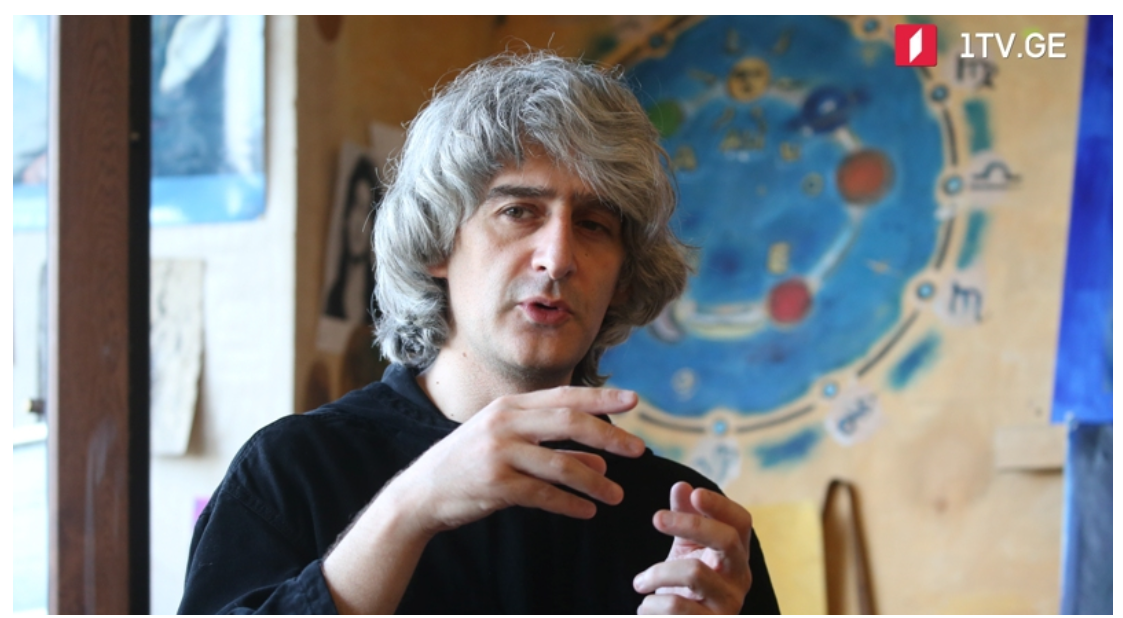
„დაკვირვების პროცესი ზოგჯერ დამღლელიც კია და ადამიანს მისგან დასვენება სჭირდება.“
- თქვენ დაკვირვებასა და გულწრფელობაზე საუბრობდით, როგორც მხატვრისთვის მნიშვნელოვან ფაქტორებზე. მინდა, რომ დაკვირვებასთან დაკავშირებით გაგვიზიაროთ თქვენი გამოცდილება. და კითხვაც მაქვს: დაკვირვება ხელს უშლის თუ ეხმარება წარმოსახვას?
- თავიდან რამდენიმე სიტყვა მინდა ვთქვა გულწრფელობასა და სიყალბეზე. ცხადია სულ არ მინდა, ვიღაცამ ისე გაიგოს, თითქოს, მე ვარ გულწრფელი და დანარჩენების შესახებ ვსაუბრობ. ზუსტად ჩემს თავში ვებრძვი ტყუილს, რომელსაც მაშინაც კი ვამბობდი, როცა საჭირო სულ არ იყო. მაგრამ, ამის გაცნობიერების გარეშე, ძნელია სიმართლეზე ფიქრი. რაც შეეხება დაკვირვებას, ამის გამოცდილება ნამდვილად მაქვს. 30 წელია, ვხატავ და სულ დაკვირვების პროცესში ვარ. სიმართლე გითხრათ, დაკვირვების პროცესი ზოგჯერ დამღლელიც კია და ადამიანს მისგან დასვენება სჭირდება. მხატვრის ცხოვრება უმეტესად ის არის, რომ ზიხარ მარტო საკუთარ თავთან და რაღაცას უყურებ. შენი შინაგანი სამყარო აქტიურად მუშაობს ამ დროს.
- წარმოსახვასთან რა კავშირშია?
- დიდ კავშირშია, ცხადია. ადამიანი სამყაროში დგას ფიქრების წინაშე. და ირჩევს, რომელ ფიქრებს მიიღებს თავის თავში, რაზე დაიწყებს დაკვირვებას, რის გაცნობიერებას გადაწყვეტს. იმდენად შემოქმედებითი ხასიათისაა ეს ფიქრები, რომ ისინი ქმნიან ფორმებს სამყაროში. წარმოსახვითი ფორმების მრავალფეროვნებას უდევს საფუძვლად დაკვირვება. მე მგონია, მხოლოდ იმის წარმოსახვა შეიძლება, რაც არსებობს. არარსებული ვერ შეიქმნება. და, რა უცნაურიც არ უნდა იყოს, ასევე, პირიქით.
- ვერც მხატვრის თავში შეიქმნება?
- ვერც მხატვრის თავში. მიუხედავად იმისა, რომ ჩვენ რასაც ვქმნით, ის უჩვენოდ ვერ შეიქმნებოდა ამ ახალი, განსაკუთრებული ფორმით. ყოველთვის მნიშვნელობა აქვს კონკრეტულ ხედვის კუთხეს, თვალსაზრისს, რაღაცის წარმოდგენისას, კონკრეტულ ასპექტს. ერთი ადამიანი ამბობს: ადამიანი მოკვდა იმის გამო, რომ ავად გახდა. მეორე ამბობს: ადამიანი იმიტომ გახდა ავად, რომ უნდა მომკვდარიყო, დრო მოვიდა. ყველაფერი, რაც ითხოვს და მოწოდებულია დაბადებისთვის, ახალ ფორმაში გაჩენისთვის, ქმნის იმ ფორმებს, იმ მდგომარეობებს, იმ შეხვედრებს, რომლებიც შემდეგ ვლინდება. „ვეფხისტყაოსანი“ აუცილებლად უნდა დაწერილიყო. ამისთვის დაიბადნენ რუსთველიც, თამარ მეფეც, რომ ის ეპოქა დამდგარიყო; შესრულებულიყო, რაც მოხდა იმ ეტაპზე.
- იმის შემდეგ, რაც თქვენი ნამუშევრები მსოფლიოს საუკეთესო მხატვრების ნამუშევრების გვერდით გამოიფინა (ეს მოხდა ვენაში), თქვენ თქვით: „მივხვდი, იმისთვის კი არ უნდა იბრძოლო, რომ ვიღაცის სახელთან ერთად მოხვდე გალერეაში ან მუზეუმში, არამედ მთავარია, შენი ხელოვნება დაიხვეწოს. ამიტომ ბრძოლის ველი აქ, ჩემს სახელოსნოში გადმოვიდა.“ ეს იმას ნიშნავს, რომ თუ ვინმეს უნდა გაეჯიბროს ადამიანი, მხოლოდ საკუთარ თავს? ახლა რა ხდება თქვენი სახელოსნოს ბრძოლის ველზე?
- მხატვარს თავისი ბრძოლის ველი, რა თქმა უნდა, მხატვრობაში აქვს. მაგრამ მარტო მხატვარი ხომ არ ვარ? მე კიდევ მამა ვარ და, როგორც მამას, ჩემი საბრძოლო ველი მაქვს შვილებთან - ზღაპრებს რომ ვკითხულობთ, ან რაღაც რომ უნდა ვასწავლო, მაგალითი მივცე. საზოგადოებრივ ცხოვრებაშიც ჩემი როლი მაქვს და ასე შემდეგ...
- მე ასე გავიგე: თითოეული ადამიანი პიროვნულადაც და პროფესიულადაც იზრდება. გააჩნია, როგორ კონტექსტში გაიზრდები, სხვასთან ჯიბრში, თუ საკუთარ თავთან ჭიდილში.
- ჩემი მინუსები, სისუსტეები, რასაც ვატარებ, ჩემს ნახატებში ჩანს. ამიტომ, ჩემს თავთან რომ ვრჩები, ნამუშევრებს რომ ვუყურებ, ზოგჯერ მრცხვენია, რა თქმა უნდა. თუმცა, სხვებთან ამაზე ლაპარაკი საჭიროდ არ მიმაჩნია. მაგრამ რაღაც კარგსაც ვხედავ და სწორედ ეს მაძლევს სითამამეს, რომ გამოფენებზე გავიდე, საზოგადოებრივ ცხოვრებაში ვმონაწილეობდე. მჯერა, რომ შემიძლია ვიპოვო რაღაც ისეთი, რასაც ჩემ გარეშე ვერავინ სხვა ჩვენ დროს ვერ იპოვიდა, რადგან ყველა ადამიანი ინდივიდუალური და განსხვავებულია.
- „პარიზში რიგითი ხელოვანის ცხოვრება მექნებოდა. თბილისში დავბრუნდი და ვმუშაობ.“ - ეს რომ წავიკითხე, ვიფიქრე, რომ ამ სიტყვების ავტორს, წესით, მისიის განცდა უნდა გქონდეთ. შეგიძლიათ, გაგვიმხილოთ, რას ელოდებით საკუთარი თავისგან?
- სიამოვნებით. ცხადია, მე მაქვს მისიის შეგრძნება. მჯერა, რომ ყველა ადამიანს აქვს მისია. ერთხელ ერთ ცნობილ პოლიტიკოსს ჩემი პოზიცია ვუთხარი და ახლაც ასე ვფიქრობ, რომ ჭეშმარიტად საკეთილდღეო და განვითარებისთვის საჭირო ცვლილებები "ზემოდან" არასოდეს არ მოვა. „ზემოდან“ მოვა მხოლოდ სისტემური ცვლილებები, რომლებიც უფრო და უფრო მეტად მოაქცევს მარწუხებში კაცობრიობას. სისტემის გამყარება, კონსტიტუციის განახლება, საარჩევნო კოდექსის და მედიის დამოუკიდებლობის სისტემურად დახვეწა - ეს გზა ყოველთვის რეგრესისკენ მიდის, თუ ადამიანის სულიერი წარმოჩენის კუთხით შევხედავთ. ეს არის ბიუროკრატიული მანქანის სისტემატიზების და დახვეწის გზა, რომელიც ხელოვნური ინტელექტისკენ მოძრაობს და, საბოლოოდ, ადამიანს გამორიცხავს. მეორე გზა, საზოგადოებრივ ცხოვრებაში ნამდვილი ცვლილებების გზა, რაც აცოცხლებს ქვეყანას, - ყოველთვის ქვემოდან იწყება: საზოგადოების წევრებისგან, კონკრეტული ადამიანებისგან და კონკრეტული საუბრებიდან. ამან შეიძლება დადებითი სისტემური ცვლილებებიც კი გამოიწვიოს. გორგასალს შეემთხვა ასეთი რამ: მიჰყავდა ჯარი, საბერძნეთს უნდა შებრძოლებოდნენ. გზაში ორი ბერი შეხვდათ, ისაუბრეს. მერე გორგასალმა სიზმარი ნახა, ჯარი მოატრიალა და, ბერძნებთან ბრძოლის ნაცვლად, ბერძნებთან ერთად, სპარსელებს შეებრძოლა. ამით ჩაეყარა საფუძველი საქართველოს აღორძინებას. პირადმა საუბარმა შეცვალა ადამიანი, მისი ფერისცვალება მოხდა. ასევე შეიცვალა მეფე მირიანიც. ჩვენს დროშიც, პოლიტიკოსები იქნებიან თუ სხვები, უნდა შეიცვალონ, მათი ფერისცვალება უნდა მოხდეს. ადამიანი ხელმეორედ უნდა დაიბადოს ცხოვრებისთვის, ჭეშმარიტებისთვის. და თუ ასეთი ადამიანი დაიბადა, ნებისმიერი მნიშვნელოვანი რამ, რასაც იტყვის, შეცვლის ყველაფერს. გულწრფელად გეტყვით, პოსტებს რატომ ვწერ? ვიღაც იტყვის - წადი, ხატე, რას წერ ამ სისულელეებს?! ასეც მოვიქცეოდი, რომ არ შემემჩნია, როგორ მოქმედებს სოციალურ ცხოვრებაზე ის, რასაც ვწერ. ვიღაცას შეიძლება გაეცინოს. დავწერ რაღაცას და მესამე დღეს ვხედავ, ჩემი სიტყვებით ვინმე ლაპარაკობს სადღაც. კი, შეიძლება, ემთხვევა. მაგრამ ცხოვრებაშიც შემხვდნენ ადამიანები, რომლებიც ახორციელებდნენ, რასაც ვამბობდი. ვიღაცებმა მითხრეს, შენ რომ თქვი, ამან განაპირობა, რომ ასე მოვიქეცი და დიდი მადლობაო. მივხვდი, რომ ყველაფერს, რასაც ადამიანი აკეთებს, აქვს მნიშვნელობა. ამიტომ მგონია, რომ ცალკეული ადამიანის მისიის გაცნობიერების პარალელურადაა მხოლოდ შესაძლებელი ქვეყნის მისიის გაცნობიერებაც.
„თუ ადამიანი თავის თავს გამოუტყდება, ჩვენ დასავლეთმა არ მიგვიღო.“
- თქვენს საუბრებს და შეფასებებს მუდამ გასდევს დღევანდელ საქართველოზე ფიქრი და დარდი. ერთ ფრაგმენტს შეგახსენებთ: „ჩემი ქვეყანა, ფაქტობრივად, უდაბნოშია და სრულიად უფუნქციოდ დარჩა… ქართველმა თავისი სულიერი ფუნქცია დაკარგა. მის ახლებურად დაბადებას გარკვეული გზის გავლა სჭირდება.“ შემდეგ მოდის ფრაზა: „და ამ გზას ახლა გავდივართ“. თქვენთვის რა არის იმის ნიშანი, რომ საქართველო გადის გზას ჩვენი სულიერი ფუნქციის ახლებურად დაბადებისთვის?
- პრინციპში, ეს ყოველთვის ხდება. ყველა ეპოქაში, ყველა დროს გადის ადამიანი ამ უდაბნოს. როგორც თქვენ ახსენეთ ადამიანის ცხოვრების პერიოდები - ის შორდება მშობლების კერას, მერე უნდა დაბრუნდეს, თავისი დრო აქვს ყველაფერს. ყველა ერის განვითარებას სჭირდება უდაბნოს პერიოდი - საკუთარ თავთან დარჩენის, ჩაღრმავების, სიცარიელის განცდის დაძლევის პერიოდი. 1990-იანი წლების მერე, თითქოს, დავიწყეთ გარეგნული დალაგება, როცა დენი ჩაირთო. ვითომ, დავშორდით რუსეთის გავლენებს, დავრჩით ევროპის პირისპირ. ვითომ, უნდა გაეღო კარი ევროპას. ახლა დიდი იმედგაცრუებაა. თუ ადამიანი თავის თავს გამოუტყდება, ჩვენ დასავლეთმა არ მიგვიღო. ჯერ ხალხს კიდევ სჯერა ამის, მაგრამ... რაც ცხადია, მხოლოდ იმას ვიტყვი. დავით გარეჯთან დაკავშირებით დიდი პრობლემებია, გელათში წყალი ჩამოვიდა, ვარძიაში ხანძარი გაჩნდა, 2015 წლის 13 ივნისს ტრაგედია გადავიტანეთ, ადამიანები დაგვეღუპა, ცხოველები გალიებიდან გამოვიდნენ. ამას ვუყურებ, როგორც ხატებს. პირდაპირ შინაგანი ისტორიის ილუსტრაციაა, რაც ხდება. დაიკარგა ტერიტორიები და იკარგება ქვეყანა, რადგან დავკარგეთ აფხაზებთან და ოსებთან სალაპარაკო ენა. ტერიტორიები არ დაბრუნდება, სანამ ადამიანს ადამიანურად არ შევხედავთ. ყველაფრის თავი და თავი არის ადამიანი.
- თქვენ ამბობთ, რომ ჩვენი ქვეყნის მომავალი არის იქ, სადაც ქართველს ექნება თავისი ნიჭის გამოვლენის საშუალება. შემდეგ ასეთი ფრაზით აგრძელებთ: „ქვეყანას არ სჭირდება ენერგია“. მეც გეთანხმებით, ენერგია არსებობს, მაგრამ ის არ სჭირდებათ გადაწყვეტილების მიმღებ პირებს. როგორ შეიძლება გაგრძელდეს ეს საბედისწერო აცდენა?
- ერთი მხრივ, ძალიან პესიმისტური ამბავია. მეორე მხრივ, მაქვს ოპტიმიზმი. პესიმიზმიდან დავიწყებ. მე მგონია, რომ რაც დრო გავა, უფრო და უფრო ცუდად იქნება საქმე. იმიტომ, რომ არამარტო საქართველოს, მთელ მსოფლიოს მოედო ღრმა მატერიალიზმი, პირადი გამორჩენის სურვილი. ეს გადჯეტები, ვიდჯეტები, მობილურები, ელექტრომობილები და ასე შემდეგ - ცხოვრება ისე ჩქარა ვითარდება, ისეთი სიახლეებია, რომ ადამიანს სურვილი აქვს, კარგად მოეწყოს სადმე ტელევიზორთან ან კომპიუტერთან და სულ ათვალიეროს, რა ხდება, გაერთოს. ამის ხარჯზე იკარგება ღირებულებები, რომლებიც წარმოიქმნება დაკვირვებით, თუნდაც, მოწყენილობის ჟამს. თუ ადამიანმა არ მოიწყინა, შინაარსს ვერ დაინახავს. ეს იმას ჰგავს, ქალაქში ვარსკვლავები რომ აღარ ჩანს. ჩვენ ვარსკვლავების გარეშე ვცხოვრობთ და ის იმპულსები, რასაც ვარსკვლავები აჩენს, ადამიანმა დაკარგა. ცხოვრება ისე განვითარდება, უფრო და უფრო, რომ ადამიანს ბევრი რამის შეწირვა მოუწევს. მაგრამ გამოსავალს ვხედავ, მაგალითად, იმ სტუდენტებში, ადამიანებში, რომლებიც ღრმა საკითხების გადაწყვეტაზე მუშაობენ. მაგალითად, ერთი ბიჭია - ივერ აბესაძე, იმედი მაქვს, შესანიშნავი მოქანდაკე იქნება. ჩემთან მუშაობს ახლა სახელოსნოში. ძალიან ნიჭიერია, მაგრამ ეს არ არის გადამწყვეტი. მთავარია ინტერესი, რომელიც ზოგიერთ ადამიანში საწინდარია იმისა, რომ მომავალში რაღაც ძალიან საინტერესო შეიძლება გამოვიდეს. ისტორიის, ფილოსოფიის, კაცობრიობის სხვადასხვა რელიგიის და მითოლოგიის მიმართ ინტერესი, ამ თემაზე საუბრები და შეხვედრები, მოგზაურობები ამდიდრებს ადამიანს. როდესაც ახალგაზრდა კაცს სამყაროს შეცნობა უნდა, საინტერესო ადამიანების გაცნობა, როცა თავის მისიაზე ფიქრობს... მგონია, რომ ასეთი ადამიანები ქმნიან და ემსახურებიან ჭეშმარიტ ღირებულებებს; ასეთი შეხვედრები, ასეთი საუბრები. ამის იმედი მაქვს. ამას ვუწოდებ კეთილი ნების ადამიანს. და ასეთი ადამიანები ჩვენთან კიდევ არიან. მთავარია, ვიპოვოთ გზები ერთმანეთისკენ, რომ შედგეს ეს საუბრები, მოგზაურობები და ასე შემდეგ...
- რუსეთი და ევროპა რომ ახსენეთ, ახლა გამახსენდა, ბატონმა გია ყანჩელმა თქვა ჩემთან ინტერვიუში: საქართველოს მოსახლეობის 5-10%-მა ერთნაირად იცოდა ქართული და რუსული კულტურა. და ეს 5-10% ხელოვნებაში ქმნიდა ცხოვრებას. დღეს ბევრი ლაპარაკობს ინგლისურად, მაგრამ ძალიან ცოტას შეუძლია, იმსჯელოს ინგლისურ კულტურაზეო.
- გულწრფელად უნდა ვთქვა: რუსეთის სახით საქართველომ არამარტო ოკუპანტი შეიძინა, არამედ, მეგობარი დაკარგა. ქვეყნის კულტურა კონკურენციის რეჟიმში ვითარდებოდა. ბაბუაჩემს ვგულისხმობ, ანდრია ბალანჩივაძეს და მისი თაობის ხალხს. ჩვენთან ჩამოდიოდნენ კომპოზიტორი დიმიტრი შოსტაკოვიჩი, შესანიშნავი პიანისტები მარია იუდინა, ლევ ობორინი და ბევრი სხვა დიდი პიროვნება, რომლებიც მნიშვნელოვან მიმართებას ქმნიდნენ ჩვენი კულტურისთვის. მუსიკალური საზოგადოება იქნებოდა, კონსერვატორია თუ ოპერა - დონე ყველგან მაღალი იყო. კულტურა და სერიოზული ხელოვნება ვითარდებოდა. ახლა ამ სამხედრო მანქანის და ოკუპაციის პირისპირ დავრჩით. ქართულმა კულტურამ ვერ მოახერხა ევროპული კულტურით განაყოფიერება. ევროპას კი ჩვენ ამ სახით არ ვჭირდებით. დავკარგეთ ის, რაც გვქონდა, მაგრამ ღირებული ახალი, როგორც ქვეყანამ, ვერ შევიძინეთ და, ჯერ კიდევ იმ საბჭოთა ინერციით, საკუთარ თავს ვწურავთ.
- კეთილი ნების ადამიანები რომ ახსენეთ, რიონის ხეობის მცველები გამახსენდა. თქვენ ბევრჯერ საჯაროდ გამოხატეთ მათ მიმართ მხარდაჭერა. ვინ არიან თქვენთვის ეს ადამიანები?
- ჩვენს დროს ყველაზე დიდი, რაც მაკლია, არის ადეკვატური ადამიანი, რომელსაც არ ეშინია, იცხოვროს ისე, როგორც შინაგანი ხმა ჰკარნახობს. უნდა, რუსეთზე რამე კარგი თქვას? თქვას, შეაქოს რუსი და არ შეეშინდეს, რომ ვიღაც ეტყვის - რუსეთუმე და ანტიეროვნული ხარო. ვიღაცას უნდა, თქვას, რომ ეკლესია არ დგას იქ, სადაც საჭიროა და არ იცავს სულიერ ფასეულობებს? თქვას. ბევრი ვერც კარგს ამბობს ეკლესიაზე, როცა საჭიროა, რადგან ეშინია, „ბნელს“ დაუძახებენ. ჯანმრთელი მსჯელობა გაქრა ჩვენი სივრციდან. ზოგი უყურებს, რაც მისთვის მთავარი კრიტერიუმია - ქოცი ხარ, თუ ნაცი ხარ? ამ კლიშეებში ვცხოვრობთ უკანასკნელი პერიოდი. სატელევიზიო ტოქშოუები, როგორც წესი, ტენდენციურია. თავიდანვე დაგეგმილია, სად უნდა მივიდეს. ამ ყველაფრის შემხედვარე, შთაბეჭდილება იქმნება, თითქოს, არავის არაფერი ღირებული არ აინტერესებს, არადა ეს ასე არაა. როცა რიონის ხეობაში ჩავედი და ამ ადამიანებს ვესაუბრე, რამაც ძალიან გამახარა, ის არის, რომ მათ უყვართ თავისი კუთხე. ადეკვატურები არიან, არ ეშინიათ, რომ ვიღაც რაღაცას დააბრალებს და ამის გამო არ არიან ჩუმად. არ დგანან იქ კარიერისთვის; არ უნდათ, ფულზე გაყიდონ ღირებულებები; არ უნდათ, მათი სოფელი, სასაფლაო და ეკლესიები წყლის ქვეშ მოექცეს. იმ ყველაფრის გარდა, რაც გაცხადებულია მათი მხრიდან, მგონია, რომ არის კიდევ ასეთი განცდაც: მინდა, რაღაცას ვუერთგულო, ჩემთვის შინაგანად ძვირფასს, რასაც ჩემს თავში სულ ვატარებ და მისი ერთგულებით ნელ-ნელა გავაცნობიერო, რა არის ეს. გავიგო, ვინ ვარ, სად ვართ, რა შეიძლება გაკეთდეს იმისთვის, რომ სიტუაცია გამოსწორდეს და ქვეყანამ ჭეშმარიტი არსებობისთვის გაიღვიძოს.
„წონასწორობის პრინციპი, შეუძლებელია, არასწორი იყოს.“
- რიონის ხეობის მცველების პროტესტი, დიდ სურათში რომ დავინახოთ, არის რაღაც ახალი, რაც ამ თაობაში არ ყოფილა?
- ამაზე მეც ბევრი ვიფიქრე თავიდან - ხომ არ არის ჩემი მხრიდან არასწორი ამ ადამიანების აქტიური მხარდაჭერა? ხომ არ არის მათში და ჩემშიც უბრალოდ სწრაფვა, რომ შევინარჩუნოთ ძველი დრო, როგორც ის აქამდე იყო; რომ მოვეჭიდოთ იმას, რაც განვითარებას ხელს შეუშლის? ვფიქრობდი, რომ გვაქვს მდინარის რესურსები და როგორ არ გამოიყენოს ქვეყანამ? ეს ადამიანები პატრიოტები კი არიან, მაგრამ, იქნებ, არ ესმით, რომ განვითარებისთვის ხელის შეშლა არ შეიძლება? ასეც ვფიქრობდი. მაგრამ, იცით, რას მივხვდი? არა, წონასწორობის პრინციპი, შეუძლებელია, არასწორი იყოს. წონასწორობა ქმნის ორ მხარეს და განვითარებას. ამ პროექტში მეორე მხარე არ არსებობს. იმდენი მინუსი აქვს ამ ხელშეკრულებას, რომ არანაირი წონასწორობა იქ არ არის. თუ უარყოფითი სრულად გადაწონის დადებითს, რისთვის ვაკეთებთ ამ ჰესს? თუ ის ადამიანს გამორიცხავს, მისთვის არ არის, აბა, ვისთვის კეთდება? გარდა იმისა, რომ სხვა ასპექტებითაც ეს ქვეყნისთვის ძალიან ცუდი პროექტია.
- გამორჩეული ოჯახის წარმომადგენელი ხართ. თქვენმა წინაპრებმა - მელიტონ და ანდრია ბალანჩივაძეებმა - საქართველოში სათავე დაუდეს კლასიკურ მუსიკას, შექმნეს პირველი ოპერა, პირველი ბალეტი, პირველი სიმფონია. ერთ-ერთ გადაცემაში თქვენ თქვით: „ჩემი მიზანი იყო გვარიდან გამოსვლა ისე, რომ გვარსაც არ დავპირისპირებოდი. ეს მიმაჩნია ჩემს გამარჯვებად.“ მაინც, რა იყო თქვენთვის უპირველესი - გვარიდან გამოსვლა, თუ გვართან დაპირისპირების თავიდან აცილება?
- რეალურად ასე მძაფრად არ განმიცდია ეს საკითხი. გვარიდან გასვლაში, იცით, რას ვგულისხმობ? რომ თავიდან ვიპოვოთ ერთმანეთი. ჩვენ რომ ვამბობდით - დატოვე მამა და დედა და იპოვი მათში მეტს, ვიდრე მამა და დედაა. ამას ვგულისხმობდი. პროტესტის გამო არ მითქვამს გვარიდან გასვლა - რომ, თითქოს, უარს ვამბობდი მამაჩემზე და ბაბუაჩემზე. უბრალოდ, მინდოდა, რომ ჩემი დამოუკიდებელი სახე მქონოდა იმ ხალხში, ვინც ჩემზე ყოველთვის ამბობდა - იცი, ვისი შვილია და ვისი შვილიშვილია? რა შუაშია?! მივდივარ, გამოფენას ვაკეთებ. გამოვა ვიღაც და იტყვის, ეს არის ანდრია ბალანჩივაძის შვილიშვილი. რა კავშირშია გამოფენასთან?! ახლა უკვე თამამად ვარ და როცა ამბობენ, ანდრიას შვილიშვილიაო, ძალიანაც მიხარია. ჩემი თავის რწმენა უფრო მაქვს და იმიტომ.
- როგორც თქვენ ამბობთ, მხატვარი თავის თავს ეძებს საზოგადოების სარკეში. თქვენ როგორს ხედავთ ამ სარკეში ანტონ ბალანჩივაძეს?
- არ ვიცი, ეს როდის ვთქვი. ვამბობდი ხოლმე, რომ მხატვარი თავის თავს ეძებს სხვა მხატვრების სარკეში. თუმცა, როგორი საზოგადოებაც არის ჩვენ ირგვლივ, იმის ნაწილი ვართ ჩვენ. და, გარკვეულწილად, პირიქითაც. თითოეული ადამიანის გადარჩენის გზა უკავშირდება სხვების გადარჩენასაც. როგორ ვხედავთ ჩვენ საზოგადოების ნამდვილ განვითარებას? - სადღაც სინათლე ინთება, რომელიც სულ უფრო მეტად ჩანს.
თუ საზოგადოების რაღაც ნაწილი გამოფხიზლდა, თუნდაც პატარა, შვიდკაციანი ჯგუფი, მაგალითად, და რაღაც იქმნება ფასეული ქვეყანაში: ვიღაცა წერს რაღაცას; ვიღაც იურისტია მაგარი, ოღონდ, კეთილშობილი, ერთგული; ვიღაც ენთუზიაზმით ხალხს ეხმარება... ასეთი წრე ხალხის თუ გაერთიანდა, ეს უკვე სახელმწიფოა, პრინციპში.
ამას ვეძახი კეთილი ნების საზოგადოებას და ამის იმედი მაქვს.
- დიდი მადლობა უაღრესად საინტერესო საუბრისთვის. ინტერვიუს დავასრულებთ თქვენი კომენტარით ცნობილი ადამიანების ორ გამონათქვამზე. პირველი ციტატა ეკუთვნის ფრანგ ფილოსოფოსს ლუკ დე კლაპიე ვოვენარგს (1715-1747): „ადამიანს ვნებებმა ასწავლა აზროვნება.“
- ვნებებმა არა, ვნებებთან ბრძოლამ კი, ალბათ, ასწავლა ადამიანს აზროვნება. მასწავლებელი ვნებები ვერ იქნებოდა. მაგრამ, როგორც დაბრკოლება, ვნებები ძალიან მნიშვნელოვანი ველია იმისთვის, რომ აზროვნება განვითარდეს.
- მეორე ციტატის ავტორია სამეცნიერო ფანტასტიკის ჟანრის ამერიკელი ავტორი რობერტ ჰაინლაინი (1907-1988): „ტყუილი, რომელსაც ადამიანი ამბობს, უფრო ზუსტად ახასიათებს მას, ვიდრე - სიმართლე.“
- არ მომწონს ეს ფრაზა. ეშმაკურად არის დაყენებული საკითხი. ერთი შეხედვით, ადამიანი როცა ტყუის, თითქოს, მის არსს უკეთესად შეიძლება ჩაწვდე. და როცა ადამიანი ზოგად სიმართლეს ლაპარაკობს, შეიძლება, ვერ გაიგო, რა ადამიანია. მაგალითად, ჩვენი პოლიტიკოსები ზოგად სიმართლეებს რომ ლაპარაკობენ - საჭიროა ეს, საჭიროა ის... მე ამას დავუპირისპირებდი პლატონის სიტყვებს, რომლებიც „ქართლის ცხოვრებაშია“ საინტერესო ფორმით გადმოტანილი: „კეთილი კეთილთათვის არს კეთილ; თორემ იგივე კეთილ, ბოროტთათვის - ბოროტ.“ კეთილს მხოლოდ კეთილი იცნობს. ჯანსაღი სიმართლის გრძნობა უნდა ჰქონდეს განვითარებული ადამიანს და ელოდოს ამ სიმართლეს, რომ იცნოს მართალი ადამიანი.
ფოტომასალა: ირაკლი გედენიძე
English Translation
About the Interview
There are those whose sense of precision is developed to a rare degree. They alone hold the true measure of what is essential and what merely fades away, and whenever I find myself facing such a visitor, I am never truly certain I have echoed their words aright.
Through this conversation with Anton Balanchivadze, you will touch the very heart of what he wished to say. At my request, Anton guided me with immense care, helping us bridge his thoughts faithfully to the reader. Some passages may resonate deeply within you, while others perhaps less so; yet Anton fears not to voice his truths. And his thoughts run deep, precise, and vast. Among those who shape the inner essence of contemporary Georgia, I am certain Anton stands tall.
This speaks clearest through his art, yet I trust our dialogue too will carve a pathway toward the quiet sanctuary of Anton Balanchivadze’s soul.
P.S. The video was produced by "Parachute" (https://www.facebook.com/parachutetvshow/).
Ia Antadze
Anton, at the close of one of your broadcast appearances, you wrote on the board: „Wisdom must become life.“ What did you mean by this? Can such a thing truly be possible?
It is simply another formulation of a verse found in Rustaveli, within Avtandil’s testament: „Without embodying it in deeds, what will the wisdom of philosophers profit me?“ Throughout the world today, there is a profound crisis: the modern human is fractured. On one hand stands what a person deems to be moral criteria and correct behavior; on the other stands how they actually act. Our entire existence is structured in a way that continuously compels us to breach these very postulates. Because of this, the contemporary individual perpetually feels a sense of guilt—at least, that is how I perceive it. If we wish to imbue our lives with true meaning, whatever we recognize as right must be brought to life through our actions. We are in desperate need of concrete human beings, of living examples who transform their own lives and the lives of others. That is the true path of development, not elections, so to speak.
Your public addresses are built upon the premise that we must reclaim truth; that this is the only correct pathway for the personal and national awakening. Yet back in 2015, you directed a short narrative film titled The Secret of the Chest, building the entire narrative around a single phrase: „There are truths that no one needs.“ How does this film harmonize with your core philosophical concept?
That is a story recorded in Lord Bacon’s writings, drawn from the ancient treasures of Asian wisdom. It tells of an emperor who was told that his empress was unfaithful. When he entered her chambers, the only other thing present was a massive wooden chest. The queen assured him she was being falsely accused. The emperor intended to force the chest open to see if anyone was hiding within. But in the end, he chose not to, because in that particular instance, the truth would serve no one. Suppose no one was found inside—he would stand eternally disgraced before the queen for his profound distrust; yet suppose someone were found, the entire kingdom would mock him. Therefore, he left the chest unopened. The tale concludes with the insight: „There are certain truths that no one needs (for any purpose).“ If a truth is not warmed by humanity, if it does not foster creation, and if it fails to ignite human beings toward something noble—who has any use for it?! We can speak the absolute truth and yet remain entirely deceitful. The two do not mutually exclude one another! The truths broadcast across our television screens are invariably presented through the lens of partisan interests. Sometimes we wield truth only when it suits our convenience; at other times, we use the shadow of truth to conceal something else entirely.
As you explain it, I gather that truth can manifest as something destructive when it is not truly the truth, or when it is partial and incomplete.
Or when it simply is not in its proper place—for instance, if it is a premature truth, a half-truth, or a truth stripped of all compassion. Truth is only needed when it possesses the capacity and the calling to transform things toward the good. Sometimes the very form and tone with which we debate a given topic are inherently destructive. Such sterile criticism and heartless detachment possess zero capability for building anything. Whenever I listen to our modern debates, for instance, it is nothing more than relentless personal defamation.
Whenever you speak of contemporary fine art, you have repeatedly emphasized that paintings must never be detached from life; that people are crying out for art to step directly into the real world and resolve its most pressing dilemmas. You refer to this as the „civic duty of art.“ How does the work you create answer that very demand?
That is precisely my ultimate challenge. „Civic duty“ is a term that belongs to my father. He championed the idea that artists must possess a sense of civic responsibility; that art must inherently be social. He believed that works of art ought to have a specific addressee, much like a personal letter. When I know you will be coming to my exhibition, and I know what fires your spirit, what you hope for, and what burdens your heart—I naturally feel an urge to ensure that something within that canvas speaks directly to you. That creates a living bridge between us.
Do you think of specific individuals when you sit down to paint?
Sometimes. But more often than not, I suppose, I think of society as a whole.
So you do take the social body into account, then.
Whether I truly manage to take it into account is another question. I certainly wish to. How successfully I achieve it is entirely separate. As for how I practice this principle myself: a great theologian once remarked that the apostles who walked among the people spreading the Gospel were simple fishermen. They lacked any special education, yet the sheer greatness of the ideas they undertook to share helped them grow progressively, lifting them to higher plateaus of spiritual evolution. I believe that if a purpose is rightly conceived and holds immense value, that very purpose will assist society in taking a step forward. Criticism is only justified to the extent that it stems from a genuine, caring interest in something. I no longer struggle with whether someone likes my paintings or not. I am simply searching for kindred spirits. Long ago, I used to unconsciously cater to general public opinion, and it held me back enormously. I no longer do so. I believe it is infinitely better to remain true to oneself and to the specific souls toward whom one feels a genuine duty.
„I do not believe in public opinion or the freedom of the media. Forgive me, but that is how it is.“
You maintain that an individual must always remain loyal to their inner self and follow their own path. Yet you also noted that the younger generation finds it immensely difficult to break free from the grip of socially dominant topics.
No, what I said was that they find it difficult to break free from public opinion itself. When a person allows themselves to be governed entirely by the collective—by its demands and transient tastes—it becomes a fatal obstacle. That is what I meant.
But didn't you also say, „I was thinking of people when I painted“?
Thinking of specific human beings is entirely different from submitting to public opinion. I have pondered this very deeply over recent times. I wanted to understand the true genesis of public opinion. I do not believe in public opinion or the freedom of the media. Forgive me, but that is how it is. Society carves out a tiny, sanctioned niche within which discourse is permitted. Anything beyond those boundaries is strictly forbidden. It is a phantom—an artificial organism composed primarily of politicians, alongside funded public NGOs. The Patriarchate helps shape public opinion in part, as do figures from the economic sphere, and so on... In short, it is a phantom dictating to everyone how they ought to behave. These rigid dictates crush and arrest the development of true individuality. In my tenure at the Academy of Arts, I meet successive generations of students. The exact same student in their first year and their fourth year are two entirely different human beings. The freshman arrives full of hope, raw talent, and shining eyes; they are searching for answers, eager to know everyone. By the fourth year, they are utterly jaded... they have „figured everything out“... They are individuals who abandon their calling, settle for a salaried job, and live in absolute terror of public opinion. Public opinion is a profound evil—an invisible dragon.
In our interview with Rusudan Petviashvili, she shared a remarkable thought: „The world lacks delicacy, and art renders it whole.“ Meanwhile, you have stated: „An artist must discern what a plant, for instance, lacks—what it would look like in its ideal manifestation—and weave that experience into their creation. In doing so, the role of humanity is added to the design of nature.“ Do these two thoughts ultimately express the same inner essence?
I do not think so. Rusudan expressed something truly fascinating. But I am speaking of something else: a plant is constrained by the raw conditions of its environment. When a cypress grows in a parched desert and lacks water, it will never reach the towering, healthy magnificence of a cypress standing by a riverbank in Imereti. Harsh external conditions prevent it from revealing its full splendor. A human being who encounters that desert cypress must perceive the true nature of that tree and imagine what it would become in an ideal habitat. When an artist paints, they must carry the conviction that what they merely see with physical eyes is not ultimate reality. Human beings, too, are rarely who they truly were meant to be. What we see before us is merely what they managed to manifest within the narrow confines of social life, educational systems, and public opinion. We are met by the mere fruit of their biography. Yet hidden behind that facade lies their true essence, which under ideal conditions might have made them the Michelangelo of their calling. The artist’s task is to uncover that genuine countenance within a person—to see humanity as it ought to be.
So, to render the world whole, then?
No, lofty phrases are all well and good, but what we truly need are pathways—concrete keys for concrete situations in the present reality. Our society is obsessed with dogmas. For the most part, there is a relentless drive to refine systems—to organize life systematically, to implement universally required objective benefits—while constantly ignoring the specific needs of individual human beings. The assumption is always that the system will somehow magically sort out the lives of individuals afterward. That is a false road. I say this with absolute responsibility, because I have lived it. You cannot build a system that genuinely aids human and societal development without centering the individual soul. It is an absolute impossibility.
Speaking of systems, I recall when you were a guest on First Channel’s Day Code, you remarked that societal norms restrict growth, yet we can never simply discard our heritage. Doesn’t this mirror the journey of a child: growing up within the family system, fleeing it in search of other authorities, yet never fully severing ties and ultimately returning to one's roots equipped with new wisdom?
I view it this way: a certain degree of youthful protest against mother and father is completely natural. The drive toward one's own perspective, toward the new, is perhaps even essential; yet mother and father remain an indissoluble part of a human being. Just as loving one's homeland and dwelling within it is a healthy state of being, it should never become an end in itself—and we must view it as an anomaly if someone is utterly desperate to flee the very place where they were born and raised.
An anomaly? Why? Doesn’t a person have to leave home in order to grow?
Separation from those we love and from our homeland cannot be a mere goal in itself, unless something has gone fundamentally fractured in a person’s life. It is one thing when we understand we must depart because necessity and our inner voice command it; but it is quite another when that departure is devoid of any lingering sorrow for the places and people we leave behind. Because even if you are physically elsewhere, the ache of longing travels within you. Otherwise, I entirely agree with you—sitting in one single place for an entire lifetime is never healthy. We part from one another precisely so that we may learn to truly measure each other's worth.
I also met my father face-to-face in 2008—two entirely different human beings meeting anew—and that was the first time I truly came to know him profoundly, despite having lived alongside him all my life, even through childhood.
And did you rediscover him?
Of course, that was when I truly found him. The Scriptures tell us: „Whoever leaves father and mother, brother and sister and follows Me, shall receive manifold more than father and mother...“ I remember wondering as a child: How on earth is that possible? How can I leave my mother and father? Later I realized, of course, this is not about physical abandonment. Unless we „leave“ our blood relations within our hearts—that is, surrender that which is merely bound by physical nature—we can never acquire a true friend through a free, inner, autonomous act of the will. We can never truly know one another. Only then does someone stand before us not merely as a parent, a brother, or a kin, but as a brand-new human being whom we failed to notice before. Norms, imposed criteria, the demand that one must behave in a prescribed manner—these only hold sway over a person until the genuine thirst for novelty and freedom is born within them. After that, a complete transvaluation takes place. „Norm“ is essentially just another word for public opinion. It is just as much a phantom. Across the entire world, systems evolve according to their own calculated blueprints. The accepted norm is in a state of perpetual flux. When someone tells you, „Be normal!“—what does normal even mean? How am I supposed to be? According to the tastes of state bureaucrats? Or the bohemian circles of artists? Or the ruthless global market?
„The process of observation is at times utterly exhausting, and one simply needs respite from it.“
You spoke of observation and sincerity as vital pillars for an artist. I would love for you to share your personal experience regarding observation. And my question is: does deep observation hinder or aid the imagination?
Let me say a few words first about sincerity and falsehood. Naturally, I have no desire for anyone to think I am somehow claiming sole possession of sincerity while speaking about others. Within my own soul, I am constantly at war with falsehoods—things I used to utter even when there was not the slightest necessity for it. Yet without confronting that truth about oneself, it is impossible to reflect on truth at all. As for observation, I certainly have my own experience with it. I have been painting for thirty years, and I am in a state of continuous observation. To be completely honest, the process of observation is at times utterly exhausting, and one simply needs respite from it. An artist’s life largely consists of sitting entirely alone with oneself, gazing at something. Your inner world is working at a feverish pace during those moments.
How does that connect to the imagination?
Profoundly so, of course. A human being stands in this world surrounded by thoughts, choosing which thoughts to harbor, what to observe, what to bring into consciousness. These thoughts are so deeply creative in character that they literally forge forms in the physical world. Observation is the foundation beneath the vast diversity of imaginative forms. I believe we can only ever imagine what truly exists. The nonexistent can never be truly created. And, strange as it may sound, the reverse is equally true.
Not even within the mind of the artist?
Not even within the artist's mind. Regardless of the fact that what we create could never have come to be without us in this particular, novel form, the specific angle of vision, the vantage point, and the unique aspect of imagining things always matter immensely. One person looks at a tragedy and says: this person died because they fell ill. Another says: this person fell ill because their time had come to pass, because they were meant to die. Everything that demands and is called to birth—to manifest in a new form—generates the exact conditions, states, and encounters that subsequently unfold. The Knight in the Panther’s Skin had to be written. For that very epoch to dawn, both Rustaveli and Queen Tamar had to be born so that what transpired at that historical juncture could be fulfilled.
After your works were exhibited alongside those of the world’s greatest masters in Vienna, you remarked: „I realized one must not fight to secure a place in some gallery or museum alongside famous names; the essential thing is that your art itself must mature. Therefore, the battlefield shifted right here, into my studio.“ Does this mean that if an artist is to compete with anyone, it can only be with themselves? What is happening on your studio’s battlefield right now?
An artist’s battlefield is, of course, found within their painting. But am I merely an artist? I am also a father, and as a father, my battlefield is with my children—when we read fairy tales together, or when I must teach them something and set an example. I have my role to play in civic life as well, and so on...
My understanding is this: every human being grows both personally and professionally, depending entirely on the context of their growth—whether it is born of rivalry with others, or wrestled out in solitude with oneself.
The flaws and weaknesses I carry within me are laid bare in my paintings. Therefore, when I am left alone with myself, when I look upon my own work, I am sometimes overcome with shame, of course. Yet I see no need to discuss that with others. But I also catch glimpses of something worthy, and it is precisely that which gives me the courage to step into exhibitions and participate in public life. I believe I am capable of discovering something that no one else in our era could unearth precisely as I do, because every human being is radically individual and unique.
„In Paris I would have lived the life of an ordinary, generic artist. I returned to Tbilisi and I work.“ When I read those words, I assumed the author must carry a deep sense of mission. Can you share what you expect of yourself?
With pleasure. Naturally, I possess a strong sense of mission. I believe every human being has a mission. I once shared this exact position with a prominent politician, and I hold it still: genuine, life-giving transformations that truly foster development never come „from above.“ What comes from above are merely systemic changes that tighten the bureaucratic noose around humanity even further. Consolidating systems, rewriting constitutions, methodically refining electoral codes and media independence—from the perspective of spiritual human flourishing, this path invariably leads to regression. It is the path of perfecting a mechanical bureaucratic apparatus that marches inexorably toward artificial intelligence and ultimately excludes the human being entirely. The second path—the path of genuine change in public life that truly revitalizes a country—always begins from below: from the members of society, from concrete individuals and intimate conversations. That can actually trigger positive systemic changes in return. Something similar happened to King Vakhtang Gorgasali: he was marching his army to wage war against Byzantium. Along the way, he encountered two monks and conversed with them. Afterward, Gorgasali had a vision, turned his army around, and instead of fighting the Byzantines, allied with them to fight the Persians. That became the foundational spark for Georgia’s renaissance. A personal conversation changed a man; his transfiguration took place. King Mirian experienced a similar transformation. In our own time, politicians and everyone else must undergo a similar inner transfiguration. A human being must be born anew for life and truth. And if such a human is born, any significant word they utter will shift the entire paradigm. To be completely honest, why do I bother writing posts? Someone might say: „Go paint, what are you wasting time writing this nonsense?!“ I would gladly do just that if I didn't witness firsthand how what I write actually impacts social life. Someone might scoff. Yet I write something, and three days later I hear someone else echoing my exact words elsewhere. Yes, perhaps it is just coincidence. But I have also met people in real life who actually put into practice what I articulated. People have come up to me and said, „Because of what you said, I acted this way, and I thank you deeply.“ I realized that everything a human being does carries weight. Therefore, I believe that only in parallel with an individual awakening to their personal mission can a nation ever hope to awaken to its own.
„If a person has the courage to admit the truth to themselves, the West did not accept us.“
Your conversations and evaluations are continually shadowed by a deep contemplation and sorrow for contemporary Georgia. I am reminded of this fragment: „My country is practically in a desert and has been left entirely without function... The Georgian has lost their spiritual function. Its rebirth requires traversing a certain path.“ Followed by the phrase: „And we are traversing that path right now.“ What do you see as the signs that Georgia is walking the path toward the rebirth of our spiritual function?
In essence, this is a perpetual cycle. In every era, in every epoch, humanity must pass through this desert. Just as you mentioned the phases of human life—one must leave the parental hearth, and eventually return; everything has its appointed time. The development of any nation requires a desert period—a time of solitude, of inward descent, of conquering the sensation of emptiness. Ever since the 1990s, we began superficial tidying up, as the electricity came back on. We imagined we had broken away from Russian influence and were left face-to-face with Europe. We imagined Europe’s doors were about to swing open for us. Now, there is profound disillusionment. If a person has the courage to admit the truth to themselves, the West did not accept us. People still cling to the illusion, but... I will speak only of what is plainly before our eyes. We face enormous crises regarding David Gareji; water poured down inside Gelati; a fire broke out in Vardzia; we endured the tragedy of June 13, 2015, where lives were lost and zoo animals roamed the streets. I look upon all of this as icons—as direct illustrations of our inner spiritual history. Territories have been lost, and the country itself is slipping away because we lost our common language with Abkhazians and Ossetians. Territories will never be restored until we learn to look upon human beings with true humanity. The source and summit of everything is the human being.
You state that our country’s future lies wherever Georgians are given the space to manifest their innate talent. Then you continue with this phrase: „The country does not need energy.“ I agree with you—energy exists in abundance, but those who make the decisions simply have no use for it. How can this fateful disconnect be bridged?
On one hand, it is a deeply pessimistic picture. On the other, I remain fundamentally optimistic. Let me start with the pessimism. I believe that as time goes on, things will grow increasingly worse. Why? Because a deep materialism and the relentless pursuit of personal gain have infected not just Georgia, but the entire world. These gadgets, widgets, mobile phones, electric cars, and so on—life evolves at such a breathless pace, offering so many novel distractions, that people simply want to nest comfortably before a television or a computer screen and endlessly consume whatever is flashing by, seeking constant entertainment. In the process, we sacrifice those vital values that can only be born of quiet observation, even in moments of sheer boredom. If a person never experiences boredom, they can never perceive deeper meaning. It is much like living in a modern city where the stars are no longer visible. We live without the stars, and humanity has forfeited the subtle impulses that starlight once awakened. Life will increasingly demand that a human being sacrifice much. Yet I see a solution in individuals—in students who dedicate themselves to wrestling with profound questions. Take one young man, for instance: Iver Abesadze, who I hope will become a magnificent sculptor. He is working in my studio right now. He is immensely talented, but that alone is not decisive. What matters is his insatiable curiosity, which in certain rare individuals serves as the harbinger of something truly extraordinary in the future. A passion for history, philosophy, world religions, and mythology—conversations and journeys centered on these themes—deepens a human being. When a young person yearns to understand the universe, to meet fascinating minds, and to ponder their own mission... I believe such individuals forge and serve true values; such encounters and conversations are the wellspring of hope. That is what I call a community of people of goodwill. And such people still exist among us. The crucial thing is to find pathways toward one another so that these conversations and journeys can take place.
Mentioning Russia and Europe brought to mind something Maestro Giya Kancheli once said to me in an interview: roughly 5 to 10 percent of Georgia’s population possessed an equal fluency in both Georgian and Russian culture. And it was precisely that 5 to 10 percent that breathed life into the arts. Today, many people speak English, but very few can truly discourse on English culture.
I must be entirely honest: in the guise of Russia, Georgia not only acquired an occupier, but lost a dear friend. Our national culture once developed in an atmosphere of healthy emulation. I am thinking of my grandfather, Andria Balanchivadze, and his entire generation. Giants like the composer Dmitry Shostakovich, brilliant pianists like Maria Yudina and Lev Oborin, and so many other extraordinary minds used to visit us, forging vital, nourishing connections for our cultural life. Whether in musical circles, the conservatory, or the opera house—the artistic standards were universally high. Culture and serious art flourished. Today, we stand utterly alone before this military machine and brutal occupation. Georgian culture failed to successfully cross-pollinate with European culture. And Europe has no real use for us in the state we are currently in. We lost what we once possessed, yet we have failed to acquire anything genuinely valuable to replace it as a nation, and we are merely exhausting ourselves on the inertia of the Soviet past.
When you spoke of people of goodwill, it immediately reminded me of the guardians of the Rioni Valley. You have publicly expressed your support for them on numerous occasions. Who are these people to you?
The greatest deficit in our era is the absence of an authentic human being who is not afraid to live in accordance with their inner voice. Does someone wish to say something positive about Russia? Let them say it, let them praise the Russians, and let them not cower in fear of being branded a traitor or unpatriotic. Does someone wish to point out that the Church is failing to stand where it ought to stand or failing to protect spiritual values? Let them speak. Many cannot even utter a word of justified praise for the Church when it is warranted because they are terrified of being labeled „benighted.“ Healthy, rational debate has vanished from our public sphere. People view everything through a single filtering criterion: Are you with the „Dream“ or with the „National Movement“? We have lived trapped inside these crude clichés for years. Television talk shows are invariably tendentious. Their conclusions are scripted long before the cameras roll. Watching all of this, one gets the chilling impression that no one cares about anything of true value—yet that is simply not true. When I traveled down to the Rioni Valley and conversed with those people, what rejoiced my heart above all was that they genuinely love their native land. They are sane, grounded, and utterly unafraid of slander, which is why they refuse to remain silent. They are not standing there for personal careerism; they refuse to sell their values for money; they will not allow their ancestral villages, cemeteries, and churches to be drowned beneath an artificial sea. Beyond all their explicitly stated grievances, I sensed something deeper: a longing to remain faithful to something sacred and enduring that they carry within their souls—and through that steadfast loyalty, to slowly comprehend who they truly are, where we stand, and what must be done so the country can awaken to genuine existence.
„The principle of equilibrium cannot possibly be false.“
To view the protest of the Rioni Valley guardians within the broader picture, is it something entirely unprecedented in this generation?
I wrestled with that question a great deal at first—was I wrong to actively support these people? Was there a subconscious urge in them, and perhaps in myself, merely to cling to the past, to hold fast to whatever might impede progress? I thought to myself: we possess river resources, how can a country possibly leave them unharnessed? These people are patriots, surely, but do they fail to understand that development cannot be obstructed? I reasoned along those lines. But do you know what I ultimately realized? No. The principle of equilibrium cannot possibly be false. Equilibrium creates two opposing forces and generates true progress. In this particular hydroelectric project, there is no second balanced side. The contract is so heavily lopsided with flaws that true equilibrium is entirely absent. If the negatives utterly outweigh the positives, why are we building this dam at all? If it excludes the human being, if it is not made for human flourishing, then who on earth is it for? Not to mention that from numerous other perspectives, it is a disastrous project for the country.
You come from an extraordinary lineage. Your ancestors—Meliton and Andria Balanchivadze—laid the foundations of classical music in Georgia, composing our first opera, our first ballet, our first symphony. In one broadcast, you remarked: „My goal was to step out from under the shadow of my surname without ever warring against it. I consider that my victory.“ Even so, what was paramount for you—stepping out from the surname, or avoiding a rupture with it?
In reality, I never experienced the dilemma in such stark terms. Do you know what I mean by stepping out from the surname? It is about finding one another anew. Just as we discussed earlier: „Leave your father and mother and you will find within them something greater than father and mother.“ That is what I meant. I did not speak of leaving the surname out of teenage rebellion—as if I were somehow disowning my father or my grandfather. I simply wanted to possess an independent face among people who had always defined me by saying: „You know whose son he is, whose grandson he is, right?“ What does that have to do with anything?! I go out and organize an exhibition. Someone steps up and says, „Oh, he’s Andria Balanchivadze’s grandson.“ What on earth does that have to do with the paintings hanging on the wall?! Now I stand firmly in my own right, and when people say, „He’s Andria’s grandson,“ I am genuinely gladdened by it. Because I finally possess faith in my own identity.
As you noted earlier, an artist seeks themselves in the mirror of society. How do you see Anton Balanchivadze reflected in that mirror today?
I am not even sure when I said that. What I usually maintained was that an artist seeks themselves in the mirror of other artists. Yet we are inevitably a part of whatever society surrounds us. And to a certain extent, the converse is also true. Every human being’s path to salvation is intimately bound to the salvation of others. How do we envision the true development of society? It happens when a light flickers somewhere, growing steadily brighter.
If a portion of society awakens—even a small group of seven people, for instance—and something genuinely valuable is created in the country: someone writes a remarkable text; a lawyer stands out not just for brilliance, but for nobility and unwavering loyalty; someone generously aids people out of pure enthusiasm... If a circle of such human beings unites, that, in essence, is already a state. That is what I call a community of people of goodwill, and in that I place my hope.
Thank you immensely for this extraordinarily rich conversation. We will conclude our interview with your commentary on two famous quotations. The first belongs to the French philosopher Luc de Clapiers de Vauvenargues (1715–1747): „It was passions that taught man to think.“
Not passions themselves, but the struggle against passions is what likely taught humanity how to think. Passions could never serve as a teacher. Yet as a formidable obstacle, passions provide an essential training ground for the development of thought.
The author of the second quote is the American science fiction writer Robert Heinlein (1907–1988): „The lie that a man tells characterizes him better than the truth.“
I dislike that phrase. It is framed with a certain mischievous cunning. At first glance, it suggests that when someone lies, you can somehow penetrate their essence better than when they speak universal truths. For instance, when our politicians spout grand, general truths—this is necessary, that is required... I would counter that with the words of Plato, preserved in a fascinating form within the Georgian Chronicles: „Good is good to the good; but the very same good is evil to the evil.“ Only a good person can truly recognize goodness. A human being must cultivate a healthy, refined sense of truth and patiently await it in order to recognize someone who is truly authentic.
Photographs: Irakli Gedenidze
[Link to the original interview]
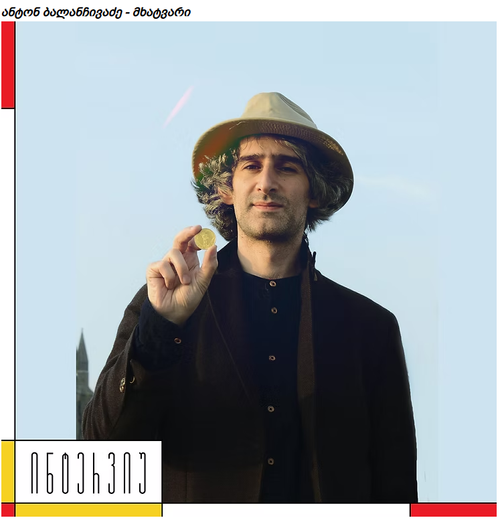
Interview: Anton Balanchivadze
A quick Q&A interview in Georgian, discussing art, life, and philosophy. (English translation available).
2 min read✍️ ინტერვიუ / ანტონ ბალანჩივაძე

❓ ეს ცხოვრება არის...
წინა ცხოვრებასა და მომავალ ცხოვრებას შორის
❓ რას ხედავ მთებში? ბალახებში? ცაში?
მოძრაობას.
❓ ცხოველებიდან რომ შეგეძლოს ვის ხმას გაიგონებდი?
მესმის ყოველ საღამოს ზოოპარკიდან ლომის ღრიალი. ალბათ 2013 წლიდან მოყოლებული... ყოველ საღამოს ისმის ეს საზარელი ხმა შუაგულ თბილისში, ვაკეში და ვერაზე, მზიურში. ვისურვებდი, რომ გამეგო არა მისი, არამედ იმ ადამიანის ხმა, რომელიც ცხოველს ბევრად უფრო თავისუფალ, ფართო ვოლიერში გადაიყვანდა, სადღაც ახალ ზოოპარკში. მე კი ზოოპარკში სიარულისგან თავის შეკავებას ვურჩევდი ყველას, ვინც თვლის რომ უყვარს ცხოველები.
❓ ადამიანებს, ვინმეს, რა უთქვამს შენთვის ყველაზე საინტერესო? რა დაგამახსოვრდა, რამ დატოვა კვალი?
ის რაც ყველაზე ძვირფასია, ასეთ საჯარო კითხვა-პასუხის ფორმატისთვის არ მემეტება, მაგრამ არაერთი ძალიან მნიშვნელოვანი სიტყვები არსებობს, რომლებიც სწორედ ასეთ ფორმატს უხდება, თან რომლებიც საჯაროდ თქმულა აქამდე, მაგალითად გოეთეს სიტყვები: ვაკეთოთ ნაბიჯები, რომლებიც ოდესმე კი არ მიგვიყვანენ მიზანთან, არამედ ყოველი ნაბიჯი იყოს თვითმიზანი და ამავდროულად ნაბიჯი წინ.
❓ რა არის შენთვის სიცოცხლეში შთამბეჭდავი?
როდესაც მოდის მნიშვნელოვანი პასუხი მნიშვნელოვან კითხვაზე
❓ რა აღგაფრთოვანებს ხოლმე? რა გაოცებს?
ასაღფრთოვანებელი, გასაოცარი.
❓ სად ინახავს ადამიანი ენერგიის და სიყვარულის დიდ რეზერვუარს? როგორ უნდა იპოვოს?
შეიძლება იცით ეს ისტორია ერთ დიდ ადამიანზე, რომელიც თავიდან განსაკუთრებული "გამჭრიახობით" არ გამოირჩეოდა და მეორე დიდ ადამიანთან მივიდა სასწავლებლად და დასაჭკვიანებლად. სახელებს შეგნებულად არ დავასახელებ. მასწავლებელი, სხვა ძნელ ამოცანებთან ერთად ყოველ დღე გახვრეტილი სათლით მდინარიდან მთაზე წყლის ამოტანას ავალებდა. ყოველ ჯერზე, მთაზე ამოსვლისას მოსწავლე ხედავდა რომ სათლი ცარიელი იყო, მაგრამ ცდას არ წყვეტდა. ბოლოს კი ერთ-ერთი უდიდესი ბრძენი გახდა.
იმის თქმა მინდა, რომ ყველას განსხვავებული რამ სჭირდება.
❓ მითხარი ამ ცხოვრების შესახებ რაიმე საიდუმლო.
რადგან ყველას არ სჭირდება ერთი და იგივე რამ, ერთი და იგივე რამ არ არსებობს. ორი ერთნაირი ნივთიც კი განსხვავდება.
❓ რას ამბობს ქარი?
ვუიიიიი ..
❓ რა არის ადამიანში ფასდაუდებელი თვისება?
იყო იქ, სადაც საჭიროა, იმ დროს, როდესაც საჭიროა, გასცე ის, რაც საჭიროა, მიიღო ის რაც საჭიროა, იმ ფორმით როგორც საჭიროა და იმდენი რამდენიც საჭიროა :)
❓ რაზე საუბრობენ ხოლმე ყვავილები ერთმანეთში?
მგონია რომ ყვავილები ერთმანეთში არ საუბრობენ, ისინი უსმენენ ერთად ვარსვკვლავებს.
❓ რისთვის ღირს ეს ცხოვრება?
იმის პოვნისთვის, რაც და ვინც მხოლოდ აქ შეიძლება ადამიანმა იპოვნოს.
❓ მშვენიერებაზე...
🍂 მამაჩემის სიტყვებს გავიხსენებ: "მშვენიერების გრძნობა - არის მადლიერება"
#ინტერვიუ #ინტერარტ #Interview #InterArt #AntonBalanchivadze
ინტერვიუს პარტნიორია - თანთანი
English Translation
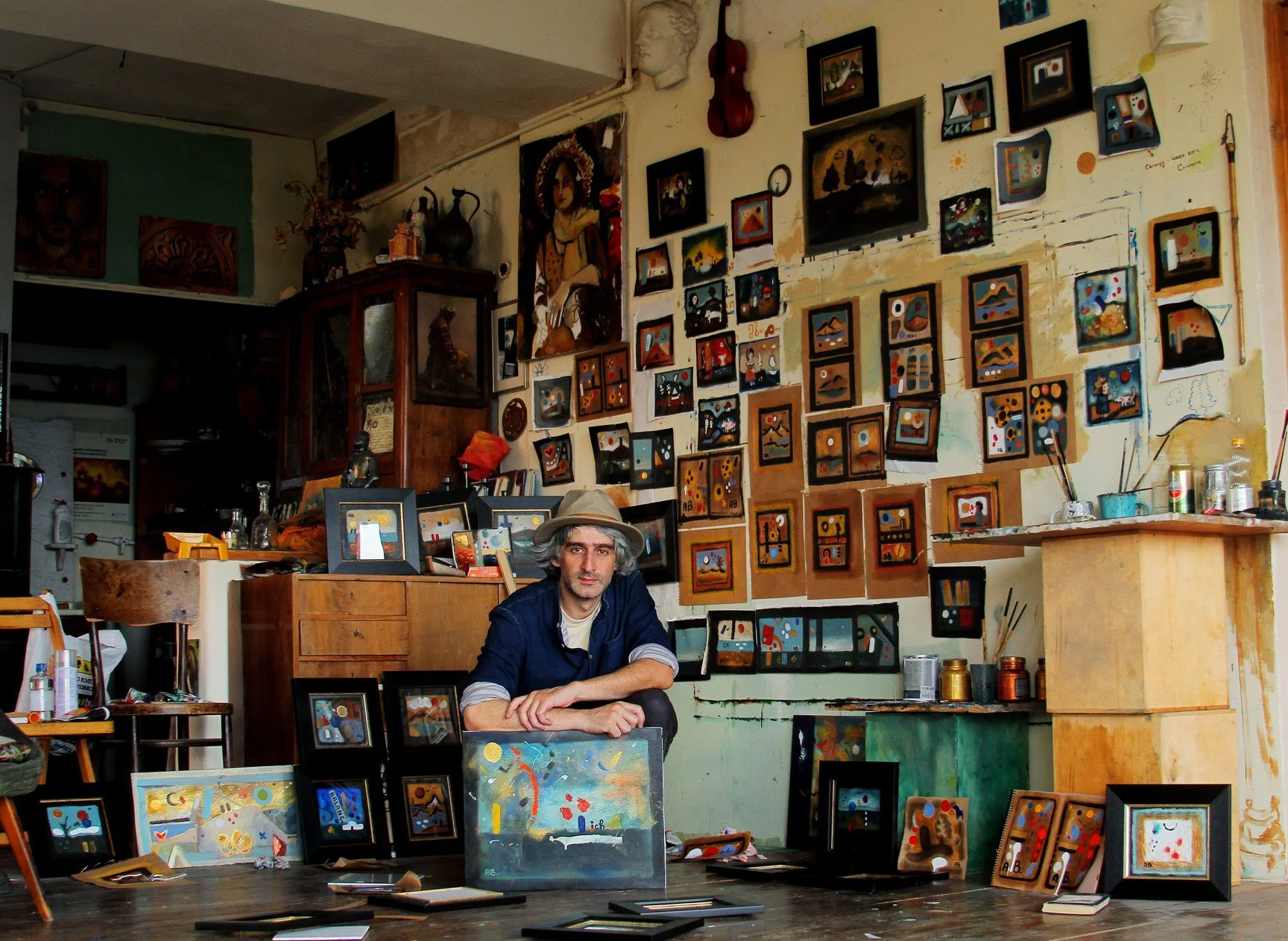
❓ This life is...
Between the past life and the future life ❓
What do you see in the mountains? In the grasses? In the sky?
Movement.
❓ From the animal kingdom, whose voice would you wish to hear?
Every evening I hear the roaring of a lion from the zoo. Ever since around 2013... every evening this harrowing sound echoes right through the heart of Tbilisi—in Vake, Vera, and Mziuri. I only wish I could hear not its voice, but the voice of someone who would move this animal to a much freer, more spacious enclosure somewhere in the new zoo. As for the zoo itself, I would advise everyone who claims to love animals to refrain from visiting it.
❓ What is the most interesting thing anyone has ever said to you? What has stayed with you and left a mark?
What is most precious to me, I cannot bring myself to share in such a public Q&A format, but there are many profoundly significant words that suit this exact format—words that have already been spoken publicly, such as Goethe’s saying: let us take steps that do not merely lead us toward a goal one day, but let every single step be an end in itself and at the same time a step forward.
❓ What is most striking to you in life?
When an important answer arrives for an important question.
❓ What fills you with awe? What astonishes you?
Things worthy of awe, things worthy of wonder.
❓ Where does a person store their vast reservoir of energy and love? How does one find it?
Perhaps you know the story of a great man who, in his youth, was not distinguished by any special „sharpness of mind“ and went to a second great man to learn and gain wisdom. I will intentionally omit their names. Alongside other difficult tasks, the teacher made him haul water up a mountain every day using a leaking bucket. Every single time he reached the summit, the pupil saw that the bucket was empty, yet he never stopped trying. In the end, he became one of the greatest sages. My point is that everyone needs something different.
❓ Tell me a secret about this life.
Since not everyone needs the same thing, the same thing does not exist. Even two identical objects differ from one another.
❓ What does the wind say?
Whoo-oo-oo...
❓ What is an invaluable quality in a human being?
To be where it is needed, at the time it is needed, to give what is needed, to receive what is needed, in the form it is needed, and in precisely the amount that is needed. :)
❓ What do flowers whisper to each other about?
I imagine flowers don't talk to one another; together, they listen to the stars.
❓ What makes this life worth living?
To find what—and who—a person can only ever discover right here.
❓ On beauty... 🍂
I will recall my father’s words: „The sense of beauty is gratitude.“
#Interview #InterArt #AntonBalanchivadze Interview partner – Tantan [Link]